Blind & Brush

Best Deer Calls for Grunting, Bleating & Rattling

Grunt tubes, bleat cans and rattling systems ranked for a hunter who cannot move — plus what the rattling research actually found about volume, timing and which side a buck comes from. Live prices.

By Stephen V.Last updated How we pick

Calling solves a problem that belongs specifically to hunters who sit still. From a blind or a stand you cannot close the distance; you cannot circle, you cannot still-hunt the last hundred yards. Everything about your setup is built to wait. A call is the one tool that reaches out and changes a deer’s mind at two hundred yards — and a blind is the best place in hunting to use one, because the walls hide the arm movement, the hand on the tube and the face behind the window that normally gives a caller away.

Calls are also a category where nobody publishes a measurable spec. There is no frequency chart, no decibel rating, no reed material on the box. So we ranked these on what the listings actually state and on what the research says about how to call: call type and how many vocalizations it covers, whether you can work it one-handed from a seated position (the thing that decides whether a call is usable in a blind at all), volume, and cold-weather reliability. Where a maker publishes nothing, we say so rather than inventing a number.

How this is funded: we earn a commission if you buy through our links, at no extra cost to you. It never changes which product we recommend, and we’ll tell you plainly when we’d skip one. Full disclosure.

Quick picks

Ranked on published specs, concealment fit and value. Select a row to jump to the full write-up. We have not field-tested this gear — here is exactly what we do instead.

#ProductBest forPrice
1
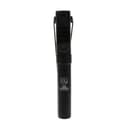
Illusion Systems Extinguisher 2.0 Deer Call

Illusion Systems Extinguisher 2.0 Deer Call

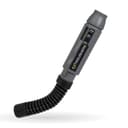
The grunt tube to own if you only own one, because it adjusts. The Extinguisher is sold as a 10-in-1 call: you move the tone from a young buck's grunt up to a mature buck's growl and down to a doe bleat without carrying four calls on four lanyards. In a ground blind, where every extra object is something to knock over in the dark, one call that covers the range beats the perfect single-note tube.

Best overall
$24.97 · View on Amazon

Price as of October 10, 2026. #ad How we’re funded

2
Primos The Great Big Can

Primos The Great Big Can

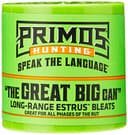
The call a complete beginner cannot get wrong, and the one a blind hunter should reach for first. You tip it over; it bleats. There is no reed to blow, no breath control to learn, and no mouth movement for a deer already looking at your window to catch. The Great Big Can is the loud member of the family — the one that carries in wind or across a field.

Best doe bleat
$9.37 · View on Amazon

$14.9937% off

Price as of October 10, 2026. #ad How we’re funded

3
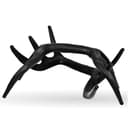
Illusion Systems Black Rack Rattling System

Illusion Systems Black Rack Rattling System

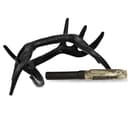
The rattling tool that solves the blind hunter's problem with real antlers: size and swing. Two sheds need a wide, two-armed motion you cannot make inside a pop-up without hitting a wall, and they clatter in your pack the whole way in. The Black Rack is a compact synthetic system built to be worked in a confined space — which is exactly where a blind hunter has to work it.

Best rattling system
$26.97 · View on Amazon

Price as of October 10, 2026. #ad How we’re funded

4
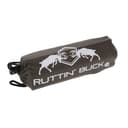
Hunters Specialties Ruttin' Buck Rattling Bag

Hunters Specialties Ruttin' Buck Rattling Bag

The cheapest way to rattle, and the only rattling tool you can work with one hand while a bow stays in the other. A bag will not produce the sharp crack of heavy antlers, so it reads as sparring rather than a fight — which is the right sound for most of the pre-rut anyway, and a far better fit for a tight blind than two antlers.

Best one-handed rattling
$10.49 · View on Amazon

Price as of October 10, 2026. #ad How we’re funded

5
Hunters Specialties True Talker OG Deer Call

Hunters Specialties True Talker OG Deer Call

The call for the hunter who wants to work a deer rather than just announce one. The listing publishes five common vocalizations from a single hand-operated call, and the design — squeeze the body, change the note — is more responsive mid-sequence than a fixed tube. It comes on a lanyard, which in a blind means it hangs where you can find it in the dark.

Best for working a deer
$24.98 · View on Amazon

Price as of October 10, 2026. #ad How we’re funded

6
Primos Trophy Grunter 6-in-1

Primos Trophy Grunter 6-in-1

The cheap grunt tube that is genuinely enough. Its listing publishes six settings, which covers the three sounds that actually kill deer — a soft contact grunt, a tending grunt and a doe bleat — for about the price of a box of broadheads. If you are not sure calling fits how you hunt, risk this much rather than four times this much.

Best budget grunt tube
$10.39 · View on Amazon

$14.9931% off

Price as of October 10, 2026. #ad How we’re funded

7
Illusion Systems Extinguisher Deer Call + Black Rack Rattling System

Illusion Systems Extinguisher Deer Call + Black Rack Rattling System

Picks one and three in a single box, and the right buy if you want both. Grunting and rattling are different tools — a grunt invites a deer that is already interested, rattling manufactures interest in a deer you have not seen — and a rut setup wants both within reach. Check the bundle against the two separate listings before you click: bundles here are not always the cheaper route.

Best complete kit
$44.97 · View on Amazon

Price as of October 10, 2026. #ad How we’re funded

The picks in full

#1Best overallAdjustable grunt tube

Illusion Systems Extinguisher 2.0 Deer Call

The grunt tube to own if you only own one, because it adjusts. The Extinguisher is sold as a 10-in-1 call: you move the tone from a young buck's grunt up to a mature buck's growl and down to a doe bleat without carrying four calls on four lanyards. In a ground blind, where every extra object is something to knock over in the dark, one call that covers the range beats the perfect single-note tube.

Strengths

  • Adjustable across the range — buck grunt, tending grunt, growl and doe bleat from one tube
  • Worked from a seated position with no setup, which is what a blind actually allows
  • Compact enough to live in a blind bag or a chest pocket all season

Trade-offs

  • Adjustability means practice: you have to find the two settings you will really use
  • A reed call needs warmth and dry air — keep it inside a layer in hard cold
  • Illusion publishes no measurable spec for any of it; the claim is the design, not a number
Call typeAdjustable grunt tube (10-in-1)
VocalizationsBuck grunt, tending grunt, growl, doe bleat (adjustable)
OperationMouth-blown, hand-held
Weight / dimensionsNot published
Freeze-resistantNot published

The spec that matters. The useful discipline with an adjustable call is to pick two settings before the season — a soft contact grunt and one aggressive tending grunt — and leave it there. Hunters who adjust tone in the moment mostly produce sounds no deer makes.

Specs read from the product listing, on October 10, 2026. “Not published” means the maker does not state that figure.

#2Best doe bleatFlip-over doe bleat can

Primos The Great Big Can

The call a complete beginner cannot get wrong, and the one a blind hunter should reach for first. You tip it over; it bleats. There is no reed to blow, no breath control to learn, and no mouth movement for a deer already looking at your window to catch. The Great Big Can is the loud member of the family — the one that carries in wind or across a field.

Strengths

  • Close to impossible to use incorrectly: turn it over and it makes a doe bleat
  • One-handed, with no mouth movement at the window
  • Louder than the standard Can, so it works in wind and across open ground

Trade-offs

  • It makes one sound; it is not a grunt tube and will not imitate a buck
  • Louder is not always better — in tight timber the smaller Can is the right tool
  • The canister can stick in freezing, wet weather if it is left out in the elements
Call typeFlip-over doe bleat canister
VocalizationsDoe / estrus bleat
OperationOne-handed, no breath required
VolumeLoud (largest of the Can family)
Weight / dimensionsNot published

The spec that matters. A bleat can is the lowest-risk call in deer hunting: a doe bleat is a sound every deer in the woods hears constantly and none reads as a threat. If you are nervous about calling at all, start here — one or two bleats, then put it down and wait.

Specs read from the product listing, on October 10, 2026. “Not published” means the maker does not state that figure.

#3Best rattling systemRattling system

Illusion Systems Black Rack Rattling System

The rattling tool that solves the blind hunter's problem with real antlers: size and swing. Two sheds need a wide, two-armed motion you cannot make inside a pop-up without hitting a wall, and they clatter in your pack the whole way in. The Black Rack is a compact synthetic system built to be worked in a confined space — which is exactly where a blind hunter has to work it.

Strengths

  • Compact enough to work inside a blind or on a saddle platform without a full swing
  • Synthetic and consistent — it does not depend on finding a matched pair of sheds
  • Packs quieter than loose antlers, which matters most on the walk in

Trade-offs

  • Rattling is a loud, committal move: it works some days and empties a field on others
  • No published spec for volume or tone, so judging it means using it
  • Still bulkier than a grunt tube — it rides in a pack, not a pocket
Call typeSynthetic rattling system
VocalizationsBuck sparring and fighting (rattling)
OperationTwo-handed, compact motion
Weight / dimensionsNot published
Carry harness includedNot published

The spec that matters. Research matters more than hardware here. In Mickey Hellickson's three-year South Texas rattling study, loud sequences drew nearly three times the responses of quiet ones, 60% of responding bucks came from downwind, and repeated sequences paid less each time — 44%, then 34%, then 22% across three consecutive 10-minute bouts.

Specs read from the product listing, on October 10, 2026. “Not published” means the maker does not state that figure.

#4Best one-handed rattlingRattling bag

Hunters Specialties Ruttin' Buck Rattling Bag

The cheapest way to rattle, and the only rattling tool you can work with one hand while a bow stays in the other. A bag will not produce the sharp crack of heavy antlers, so it reads as sparring rather than a fight — which is the right sound for most of the pre-rut anyway, and a far better fit for a tight blind than two antlers.

Strengths

  • One-handed operation: you can rattle without putting the bow down
  • Cheapest rattling tool here by a wide margin
  • Soft-sided, so it rides silently in a blind bag with no clatter

Trade-offs

  • Quieter and less sharp than antlers — it reads as sparring, not a serious fight
  • Fabric soaks up water, and a soaked bag sounds dull
  • No published spec for volume or materials beyond the listing's own description
Call typeRattling bag
VocalizationsBuck sparring / rattling
OperationOne-handed
Stated seasonPre-rut and rut
Weight / dimensionsNot published

The spec that matters. Sparring and fighting are different sounds that pull different deer. Light ticking from a bag imitates two bucks testing each other and tends to draw curious younger bucks; heavy antler crashing imitates a real fight and is a mature-buck play. A bag does the first job well and the second not at all.

Specs read from the product listing, on October 10, 2026. “Not published” means the maker does not state that figure.

#5Best for working a deerMulti-vocalization deer call

Hunters Specialties True Talker OG Deer Call

The call for the hunter who wants to work a deer rather than just announce one. The listing publishes five common vocalizations from a single hand-operated call, and the design — squeeze the body, change the note — is more responsive mid-sequence than a fixed tube. It comes on a lanyard, which in a blind means it hangs where you can find it in the dark.

Strengths

  • Five published vocalizations from one call, changed by hand pressure rather than swapped parts
  • Responsive enough to answer a deer instead of repeating one canned grunt
  • Lanyard included, which keeps it off the blind floor

Trade-offs

  • More technique to learn than a bleat can — practice before opening day, not during
  • No published measurable specs: Hunters Specialties states the sounds, not the acoustics
  • A reed-and-body call is cold-sensitive; keep it inside a layer
Call typeHand-operated multi-vocalization call
VocalizationsFive common deer vocalizations (stated)
OperationMouth-blown with hand pressure
LanyardIncluded
Weight / dimensionsNot published

The spec that matters. More vocalizations only helps if you know which one to use. The sequence most hunters get wrong is the snort-wheeze: it is a direct challenge, it works on a dominant buck already in sight, and it will clear out everything else within earshot.

Specs read from the product listing, on October 10, 2026. “Not published” means the maker does not state that figure.

#6Best budget grunt tubeBudget grunt tube

Primos Trophy Grunter 6-in-1

The cheap grunt tube that is genuinely enough. Its listing publishes six settings, which covers the three sounds that actually kill deer — a soft contact grunt, a tending grunt and a doe bleat — for about the price of a box of broadheads. If you are not sure calling fits how you hunt, risk this much rather than four times this much.

Strengths

  • Six published settings at the lowest price of any grunt tube here
  • Simple enough that a first-time caller gets a usable grunt immediately
  • Light enough to carry without a decision — which means it is actually with you

Trade-offs

  • Tone adjustment is coarser than the premium adjustable tubes
  • Plastic body and a basic reed; treat it as a season-to-season item
  • Primos publishes no measurable spec, only the setting count
Call typeAdjustable grunt tube (6-in-1)
VocalizationsBuck grunt range plus doe bleat (stated)
OperationMouth-blown, hand-held
Weight / dimensionsNot published
Freeze-resistantNot published

The spec that matters. Calling volume should match the distance you can see, not the distance you wish you could. In a blind on a field edge, a grunt loud enough to reach the far treeline is also loud enough to make a deer at twenty yards stare at the window it came from.

Specs read from the product listing, on October 10, 2026. “Not published” means the maker does not state that figure.

#7Best complete kitCalling kit (grunt tube + rattling system)

Illusion Systems Extinguisher Deer Call + Black Rack Rattling System

Picks one and three in a single box, and the right buy if you want both. Grunting and rattling are different tools — a grunt invites a deer that is already interested, rattling manufactures interest in a deer you have not seen — and a rut setup wants both within reach. Check the bundle against the two separate listings before you click: bundles here are not always the cheaper route.

Strengths

  • Covers grunting and rattling in one purchase, with nothing else to add
  • Both pieces are the same ones ranked separately on this page
  • One box to pack means one fewer thing left in the truck on a cold morning

Trade-offs

  • Only worth it if you want both — a hunter who will never rattle should buy the tube alone
  • Bundle pricing moves: it is sometimes more than the two items bought separately
  • No measurable published specs, same as every call in this category
IncludesExtinguisher grunt tube + Black Rack rattling system
VocalizationsGrunt range, growl, doe bleat, rattling
OperationMouth-blown tube; two-handed rattling
Weight / dimensionsNot published
Carry caseNot published

The spec that matters. If you are buying one calling setup for the rut, grunt tube plus rattling is the pair that covers the most situations. Add nothing else until you have used both for a season — most hunters who own six calls use two.

Specs read from the product listing, on October 10, 2026. “Not published” means the maker does not state that figure.

What the rattling research actually found

This is the part most calling advice skips, and it is the part worth knowing before you spend anything. Dr. Mickey Hellickson ran a three-year study in South Texas on which rattling sequences bring in the most bucks, using two-person teams — one hunter rattling on the ground, one observer up a 30-foot tower — and the National Deer Association published the findings. Several of them change how you should call.

Loud beat quiet, by a lot. Loud rattling sequences produced nearly three times as many responses as quiet ones. The timid tickling most hunters do on their first rattling sequence is the least effective version of it.

Morning beat everything. 54% of responses came between 7:30 and 10:30 a.m., against 16% at midday and 30% in the afternoon. If you rattle once a day, rattle mid-morning.

They come from downwind. 60% of responding bucks first appeared on the downwind side of the sound. That single number is the most actionable thing in the study for a blind hunter: a buck circling to check the wind is a buck walking into your scent cone unless you set up so that your downwind side is covered, open or unwalkable. Rattling without planning the downwind arc is calling deer in to smell you.

You see fewer than you call.The hunter on the ground missed 57% of the buck movements the observer in the tower saw. Deer responded, looked, and left without the caller ever knowing — which is an argument both for elevation and for not concluding, after one quiet sequence, that rattling does not work.

Diminishing returns are real.Three consecutive 10-minute sequences produced response rates of 44%, then 34%, then 22%. Peak-rut response exceeded one buck per attempt across all age classes; in the post-rut the rate fell to 55%, but 69% of the bucks that did respond were 3½ years or older. Older bucks answer later in the season, and grinding the same stand all morning pays less with every sequence.

How to choose a deer call

1. Start with the sound you need, not the call you want

Three sounds do nearly all the work. A doe bleat is the low-risk one: every deer in the woods hears bleats constantly and none reads one as a threat, which is why a flip-over can is the right first call for a nervous hunter. A buck gruntis a social invitation that works on a deer already moving — it says there is another deer here, come look. Rattling is the aggressive one: it manufactures interest in a buck you have not seen, and it is the call that can empty a field as easily as fill it.

Beyond those three, the snort-wheeze is a direct challenge. It works on a dominant buck that is already in sight and committed, and it will clear out every other deer within earshot. It is a specific tool for a specific moment, not a sequence to run from a blind on a quiet morning.

2. Can you work it from a chair, in the dark, one-handed?

This is the spec that separates a good blind call from a good call. Inside a blind you are seated, your bow or gun is somewhere in reach, your hands are gloved and the floor is a minefield of gear. A flip-over bleat can and a rattling bag both work with one hand and no breath control, which means you can use them without putting a bow down. A grunt tube needs a hand and your mouth but no swing. Two real antlers need a wide two-armed motion that will hit a blind wall — which is the whole reason compact synthetic rattling systems exist.

Hang the call you plan to use on a lanyard off the blind frame, not in a pack on the floor. The calling opportunity that gets missed is nearly always the one where the deer appeared and the call was in a zipped pocket. Same logic as packing a blind bag: everything you might need in a hurry lives where your hand already is.

3. One adjustable call beats four specialized ones

Adjustable grunt tubes cover a tone range — young buck grunt up through a mature buck’s growl, down to a bleat — from a single tube. In a blind, where every extra object is something to knock over in the dark, that consolidation is worth more than the marginal realism of a dedicated call for each sound. The discipline that makes it work: pick two settings before the season, a soft contact grunt and one aggressive tending grunt, and leave it there. Hunters who adjust tone mid-sequence mostly produce sounds no deer makes.

4. Cold and water are the two failure modes

Reed calls need warm, dry air. A tube that has been riding in an outside pocket at 15 degrees will sound wrong on the first blow, and a frozen reed sounds like nothing in nature. Keep the call inside a jacket layer against your body and pull it out to use it. Bleat cans can stick in freezing wet weather, and a rattling bag that has soaked through sounds dull and dead. None of this is a product defect; it is the reason most experienced hunters carry a cheap backup grunt tube and do not think about it again.

Calling from a blind: the part that is different

A blind gives you two genuine advantages over calling from the open. The walls hide movement, so you can work a call aggressively without a deer catching the motion — from the ground or an exposed stand, the arm swing of rattling is itself a giveaway. And the blind muffles and disperses the sound’s origin slightly, which makes it harder for a deer to pin the exact spot the noise came from. That is helpful, because a deer that locates the sound precisely stares at the source and waits.

The disadvantage is that you are committed. Having called a buck, you cannot reposition, and the circling behavior the research documented means you must assume he will try the downwind side. Pick a setup where downwind is a field, a road, water, or ground a deer will not walk, and check the wind before you make a sound — not after. In a ground blind, scent control inside the blind matters more on a calling sit than on a passive one, because you are deliberately bringing deer closer than they intended to come.

Volume should match what you can see, not what you wish you could. A grunt loud enough to reach the far treeline is also loud enough to make a deer at twenty yards snap its head toward your window. On a field-edge setup, start soft, wait, and escalate only if nothing answers. And keep the blind itself quiet while you do it — see quieting a ground blind, because a perfect grunt followed by a zipper is a wasted sequence.

When not to call

Calling is not free. Three situations where the honest answer is to stay silent: when a deer is already walking toward you on its own line, because there is nothing to gain and a wrong note to lose; when you are hunting a heavily pressured property where deer have heard a dozen rattling sequences since October, because volume there mostly teaches them where hunters sit; and during the early season, when a rattling sequence is a sound that does not belong to the calendar yet.

The hunters who get the most from calls treat them as a tool for the specific moment when a deer is in range of hearing and out of range of everything else — which, if you are watching a trail you chose with a trail camera and you know the entry routes, is a moment you can plan for. The rest of the time, the best call in your pack is the one you are not blowing.
Frequently asked questions

What is the best deer call for a beginner?

A flip-over doe bleat can. You turn it over and it bleats — there is no reed to learn, no breath control, and no mouth movement for a deer to catch. A doe bleat is also the lowest-risk sound in deer hunting: deer hear bleats constantly and none of them reads one as a threat, so a beginner who overuses it does far less damage than a beginner overusing a grunt tube or antlers. Learn the can first, add an adjustable grunt tube second.

When should I rattle for deer?

Mid-morning, in the pre-rut and rut, and loudly. In Mickey Hellickson's three-year rattling study, 54% of buck responses came between 7:30 and 10:30 a.m. versus 16% at midday, loud sequences drew nearly three times as many responses as quiet ones, and peak-rut response exceeded one buck per rattling attempt. Post-rut response dropped to 55%, but 69% of the bucks that did respond then were 3 1/2 years or older — so late sequences bring fewer deer and better ones.

Will calling spook deer?

It can, and the two ways it usually happens are volume and repetition. A call louder than the distance you can see makes close deer stare at the source, and grinding the same stand all morning teaches pressured deer where hunters sit — the research found three consecutive 10-minute rattling sequences returning 44%, then 34%, then 22%. The other risk is not the sound at all: 60% of responding bucks in that study came in from downwind, so a calling setup without a protected downwind side is an invitation to be smelled.

Can you call deer from inside a ground blind?

A blind is one of the best places to call from. The walls hide the arm movement that gives a caller away in the open, which is a real advantage when rattling, and they soften the exact origin of the sound so a deer has a harder time pinning the spot. The limitation is that you cannot reposition once a deer commits, so set up with the downwind side covered by a field, water, a road or ground deer will not walk.

Do I need a grunt tube and rattling antlers, or just one?

They do different jobs. A grunt invites a deer that is already interested or already moving; rattling manufactures interest in a buck you have not seen and is far more aggressive. If you hunt the rut seriously, you want both within reach — which is why the combo kit exists. If you hunt mostly early season or heavily pressured ground, buy the grunt tube alone and skip the antlers until you have a reason for them.

What is a snort-wheeze and when do you use it?

It is a short, sharp two-part sound a buck makes as a direct challenge, often immediately before a fight. It is a specific-moment tool: it works on a dominant buck that is already in sight and committed, and it tends to clear out every other deer within earshot. It is the wrong call to run blind into empty timber, and the wrong call for a hunter who is not certain what they are looking at.

Do deer calls work in the early season?

Grunts and bleats do, modestly — they are social sounds deer make year-round, and a soft bleat can turn a deer that is drifting past. Rattling mostly does not, because sparring and fighting are rut-period sounds and a serious rattling sequence in September is a noise that does not match the calendar. Early season is where a bleat can earns its place and antlers stay in the truck.

Sources

Keep reading