Saddle Hunting & Tree Stands
Get above a deer's line of sight and travel light. Saddles, climbing sticks and the setup that makes going mobile safe and effective.
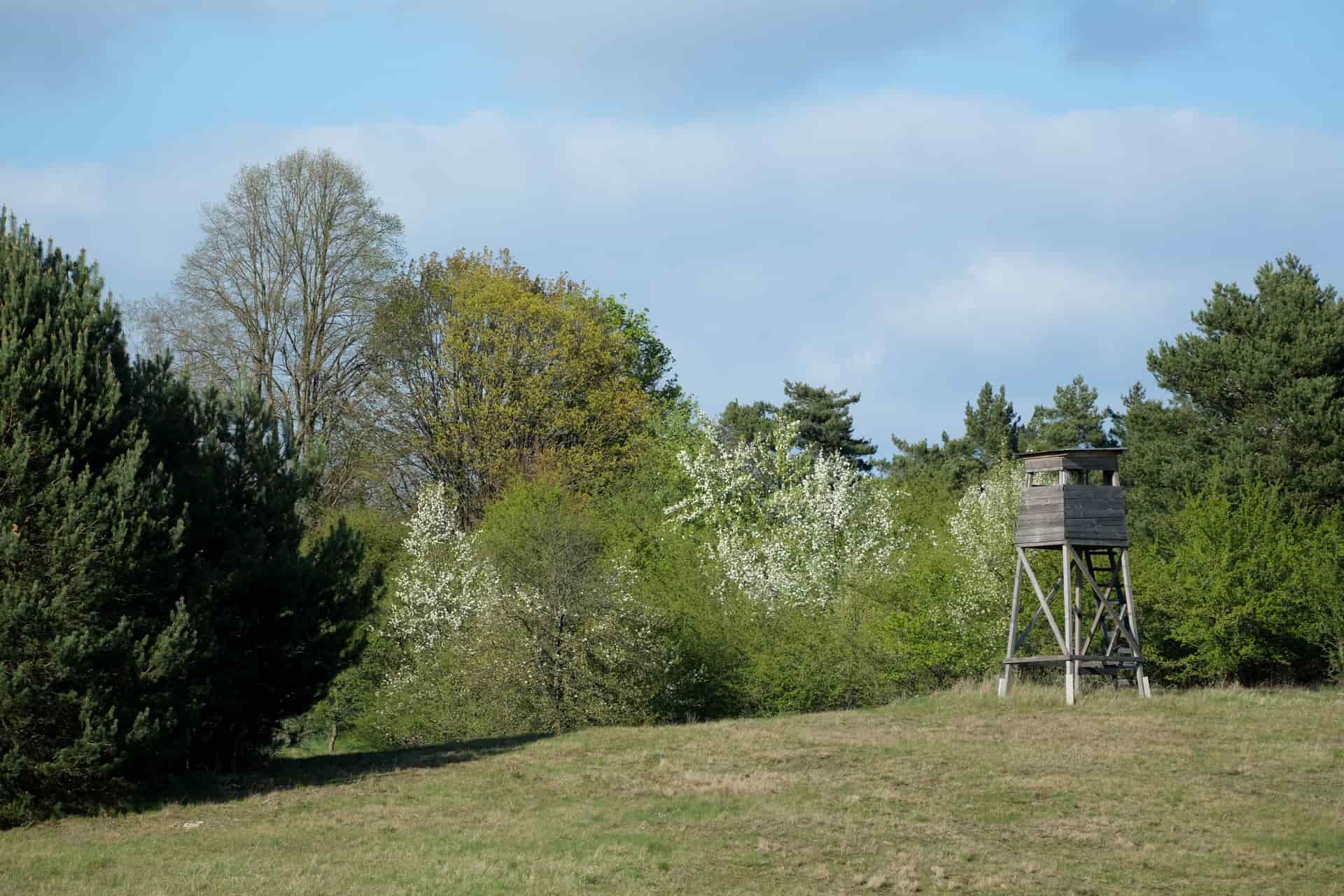
Getting above a deer’s line of sight is one of the oldest concealment tricks there is — deer rarely look up, and elevation lifts your scent and movement out of their world. Saddle hunting takes that idea and makes it mobile: instead of hanging a heavy fixed stand, you climb with a few sticks, hang a small platform, and hunt from a lightweight harness-seat you can pack in and out every day. For public-land and run-and-gun hunters, it’s the difference between hunting one tree and hunting the whole woods.
But going aloft raises the stakes, and this hub is honest about that up front: the leading cause of serious hunting injury isn’t the animal, it’s the fall. State wildlife agencies report that a large share of tree-stand fall victims weren’t wearing a harness, and suspension trauma can turn fatal in under half an hour. So before any gear talk: a full-body harness or saddle-with-tether, connected to the tree from the ground up and back down, is not optional. With that non-negotiable in place, here’s how to choose a saddle, sticks and the rest of the system.
Everything in Saddle Hunting
Best Tree Saddles
Four saddles compared for comfort, weight and what's actually in the box — plus the system pieces a saddle alone doesn't include.
Our top pick
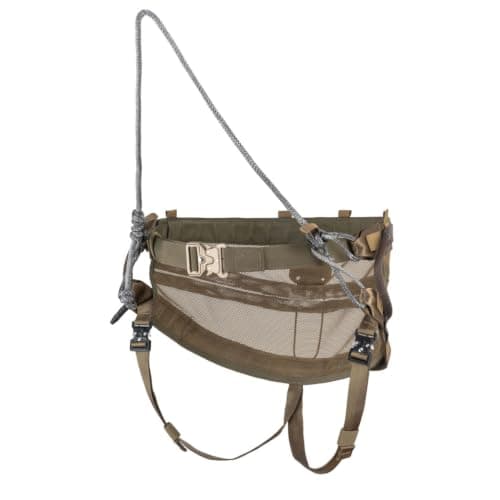
Tethrd Phantom XP Hunting Saddle
$274.99 · View on AmazonPrice as of October 24, 2026. #ad How we’re funded
Best Climbing Sticks
Climbing sticks ranked on weight, height and — the spec that decides whether you get busted — how quietly they attach.
Our top pick
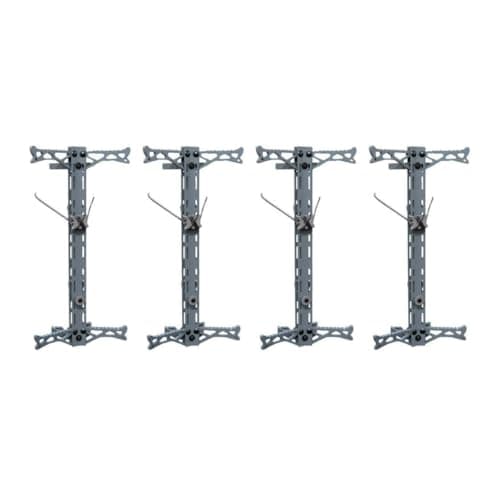
Hawk Helium Gen 2 Climbing Sticks (4-Pack)
$105.00 · View on AmazonPrice as of October 24, 2026. #ad How we’re funded
Saddle Hunting for Beginners
The full system explained, the safety non-negotiables, and how to practice at ground level before you ever leave it.
Best Tree Stands
Hang-on, climbing and ladder stands compared on comfort, weight and how you climb — with the safety gear a stand alone doesn't include.
Our top pick
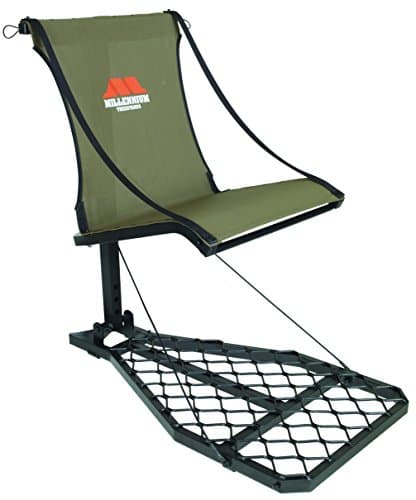
Millennium M100U Ultralite Hang-On Tree Stand
Best Tree Stand Safety Harnesses
The gear that keeps a fall from being fatal. Full-body harnesses ranked on comfort, fit and the one feature that matters: you'll actually wear it.
Our top pick
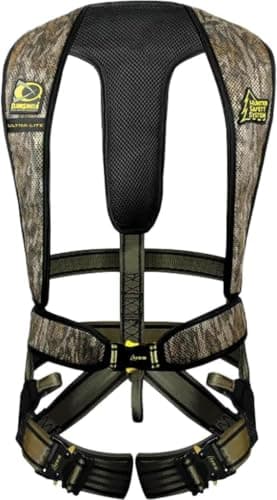
Hunter Safety System Ultra-Lite Harness
$132.99 · View on AmazonPrice as of October 24, 2026. #ad How we’re funded
Best Saddle Hunting Kits
A saddle is a system, not a seat. The saddle, platform, sticks and harness that make a complete, safe, ready-to-hunt setup.
Our top pick
Tethrd Phantom XP Hunting Saddle
$274.99 · View on AmazonPrice as of October 24, 2026. #ad How we’re funded
Saddle vs Tree Stand
Mobility and concealment versus comfort and simplicity — a clear decision framework for which way to get off the ground.
How to Hang a Tree Stand
Choosing the tree, using a lineman's belt, and hanging a lock-on safely and quietly — step by step, with the safety non-negotiables up front.
Tree Stand Safety Tips
The fall is the real danger in tree hunting. The harness, lifeline and habits that keep every climb boring — which is exactly the goal.
Climbing Stand vs Hang-On
Self-contained climber or lighter hang-on with sticks? Which stand type fits your trees, your mobility and your budget.
Ladder Stand vs Hang-On
Stable, easy-to-climb ladder or light, mobile hang-on? A decision framework by hunt style, safety, comfort and how often you move.
How to Set Up a Tree Saddle
Rigging the bridge, tether and lineman's belt, dialing the fit at ground level, and getting comfortable — the setup that makes saddle hunting work.
Saddle Hunting Mistakes
The beginner errors that make saddle hunting miserable or unsafe — buying the saddle alone, skipping ground practice, bad bridge setup — and the fixes.
Best Saddle Hunting Ropes
Tethers, lineman's ropes and lifelines — the life-safety ropes a saddle or stand hunter needs, ranked, with the honest note that you need more than one.
Our top pick
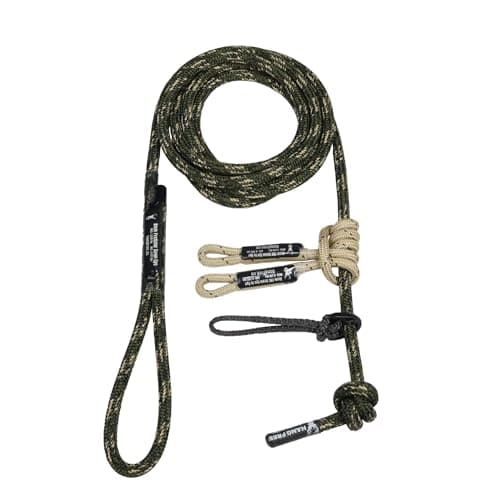
Hang Free 8mm Predator Sewn Tree Tether & Lineman's Belt
$54.99 · View on AmazonPrice as of October 24, 2026. #ad How we’re funded
Best Tree Saddle Platforms
The stand-on platform that turns a saddle from a hang-there ordeal into an all-day setup — premium, value and budget picks compared.
Our top pick
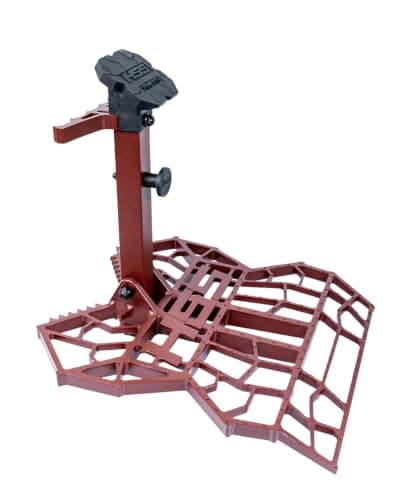
Hunter Safety System Legend Platform
$229.99 · View on AmazonPrice as of October 24, 2026. #ad How we’re funded
Mobile vs Fixed-Position Hunting
Run-and-gun with a saddle or settle into known spots? The trade-offs in pressure, effort, gear and success — and which suits your ground.
How to Choose a Tree for Saddle Hunting
Trunk size, lean, cover, backdrop and shooting lanes — how to read a tree so your saddle setup is safe, hidden and shootable.
How to Use a Lineman's Belt
Staying attached to the tree the whole climb — how a lineman's belt works, how to rig it, and why it's the piece that prevents most falls.
Best Tree Steps
Screw-in and heavy-duty tree steps for building a climbing route — ranked, with the honest note that screw-ins damage trees and are banned on much public land.
Our top pick
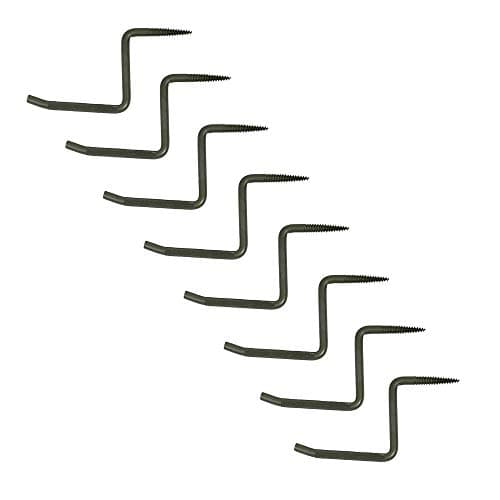
Ameristep ARS Step Up Tree Steps (8-Pack)
$33.24 · View on AmazonPrice as of October 24, 2026. #ad How we’re funded
Screw-In Steps vs Climbing Sticks
Cheap permanent steps or mobile, tree-friendly sticks? Cost, legality, damage and portability compared to pick your way up the tree.
How High Should a Tree Stand Be?
Balancing scent, sightlines and safety against the worse fall of extreme height — how to pick a hunting height that actually helps.
Best Lineman's Ropes
The rope that keeps you attached while you climb and hang gear — where most falls happen. Lineman's ropes ranked, from prusik kits to budget tethers.
Our top pick
Hunter Safety System Rope-Style Tree Strap
$29.99 · View on AmazonPrice as of October 24, 2026. #ad How we’re funded
Lineman's Rope vs Lineman's Belt
A fixed belt-style strap or an adjustable rope-and-prusik? The two ways to stay attached during the climb compared on adjustability, safety and cost.
How to Shoot From a Tree Saddle
Weak-side and strong-side shots, using the tether for support, and clearing 360 degrees around the trunk — the saddle-specific shooting technique to practice first.
Saddle Hunting Safety Tips
Staying tied in from the ground up, checking your bridge and tether, and the habits that make saddle hunting one of the safer ways off the ground — done right.
Best Bow Holders & Gear Hooks
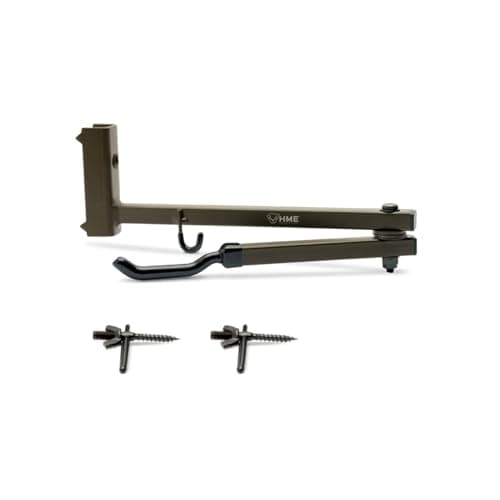
A bow on a hook is one slow reach instead of a lap-clearing scramble. Bow hangers and gear hooks ranked for stands and saddles — with the public-land legality note.
Our top pick
HME Lil Better Tree Stand Bow Hanger (w/ Accessory Hook)
$11.78 · View on AmazonPrice as of October 24, 2026. #ad How we’re funded
Saddle vs Climbing Stand
Two mobile ways off the ground: a light, any-tree saddle or a self-contained climber. Weight, tree choice, comfort and concealment compared to pick your system.
How to One-Stick a Tree
Climbing with a single stick and aiders saves weight and noise but demands practice and discipline — how one-sticking works, and the safety rules that make it survivable.
How to Pack for a Mobile Hunt
A saddle hunt lives or dies on your pack — the safety gear, climbing system, concealment and comfort to carry, organized so you're quiet, light and ready to move.
One-Stick vs Multi-Stick Climbing
Climb with a single leapfrogged stick or a set of three or four? Weight, speed, noise and — above all — safety compared to pick how you get up the tree.
How to Get Comfortable in a Saddle
Comfort is what lets you sit still and hunt long in a saddle — dialing the bridge, tether, platform and lean so you're relaxed instead of hanging in a harness.
How to Tie a Prusik Knot
The friction hitch that makes a lineman's rope and tether adjustable — how to tie a prusik, why it grips and slides, and how to inspect the cord that holds you.
How to Descend Safely From a Tree Stand
Climbing down is when many falls happen, when you're tired and rushing — how to stay attached, use your lifeline and get to the ground the boring, safe way.
Saddle Hunting in Cold Weather
A saddle leaves you exposed and mostly still for hours — how to layer, add a seat and cover, and stay in the tree when it turns brutally cold.
Ring of Steps vs One-Stick Climbing
Two mobile climbing methods with opposite trade-offs — how a ring of screw-in steps compares to one-sticking on weight, speed, legality and safety.
Saddle vs Ground Blind
Go up and mobile, or stay down and hidden? How a tree saddle compares to a ground blind on concealment, scent, comfort, safety and cost.
How to Choose a Saddle Hunting Platform
The platform is where you stand, shoot and rest all day — how to choose one on size, weight, traction and the specs that decide comfort and safety.
Tethrd vs Trophyline
The two brands that define saddle hunting, head to head — Phantom XP against Specter on published weight, capacity and comfort panel, and what each leaves out of the box.
Our top pick
Tethrd Phantom XP Hunting Saddle
$274.99 · View on AmazonPrice as of October 24, 2026. #ad How we’re funded
Hawk Helium vs XOP X2 Climbing Sticks
Single-step against double-step: which four-pack gets you higher, which climbs quieter, and when the 8-pack or the budget sticks are the smarter buy.
Our top pick
XOP X2 Climbing Sticks (Set of 4)
$199.99 · View on AmazonPrice as of October 24, 2026. #ad How we’re funded
How Many Climbing Sticks Do You Need?
How high four sticks really get you, why the unit is steps rather than sticks, and the twenty-minute ground-level method for finding your own number.
Our top pick
Hawk Helium Gen 2 Climbing Sticks (4-Pack)
$105.00 · View on AmazonPrice as of October 24, 2026. #ad How we’re funded
How Much Does a Saddle Hunting Setup Cost?
The saddle is about a quarter of the bill — the whole shopping list part by part at live prices, plus the three pieces beginners forget to budget for.
Our top pick
XOP Complete Tree Saddle Hunting System
Most Comfortable Tree Saddles
Comfort in a saddle is mostly the panel, the bridge and the platform under your feet — the setups that publish those numbers, ranked for an all-day sit.
Our top pick
Trophyline Specter Venatic Saddle
$349.99 · View on AmazonPrice as of October 24, 2026. #ad How we’re funded
Best Climbing Sticks for the Money
Cost per foot of climb, not cost per stick — the cheapest honest ways to get 20 feet up a tree, at today's live prices, including the routes that are not sticks at all.
Our top pick
Guide Gear 20' Rapid Climbing Sticks
How to Saddle Hunt With a Rifle
A saddle is built around a bow shot you take leaning. A rifle needs a rest, a different body position and a plan for the sling — here is how gun hunters make it work.
Best Lightweight Saddle Hunting Setup
The lightest saddle build you can actually weigh — ranked on published weights, with the honest finding that most of this category publishes none.
Our top pick
Tethrd Phantom XP Hunting Saddle
$274.99 · View on AmazonPrice as of October 24, 2026. #ad How we’re funded
XOP vs Tethrd: Saddle Systems Compared
One sells you the whole system in a box; the other sells a saddle you build around. Which route costs less, which weighs less, and which publishes its numbers.
Our top pick
Tethrd Phantom XP Hunting Saddle
$274.99 · View on AmazonPrice as of October 24, 2026. #ad How we’re funded
Is Saddle Hunting Worth It?
An honest read on what a saddle actually buys you, what it costs in money and comfort, and the three hunters who should not bother.
Our top pick
XOP Complete Tree Saddle Hunting System
The saddle system, explained
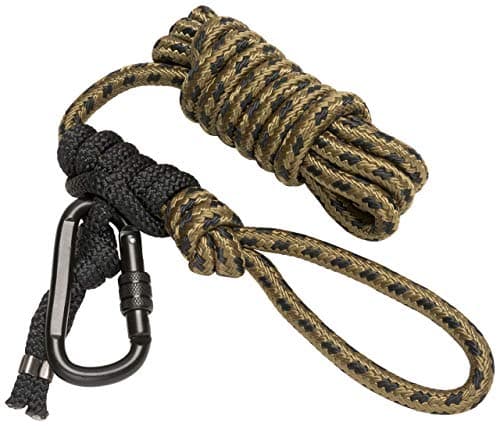
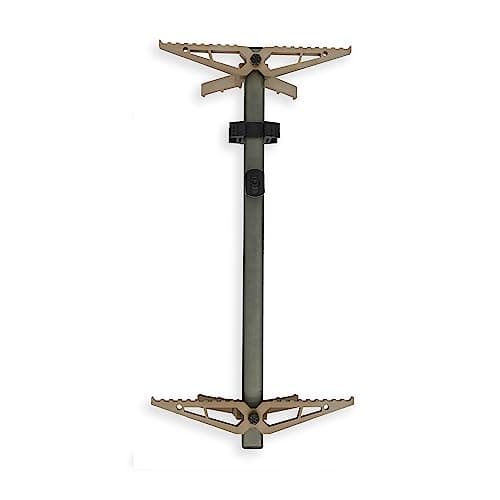
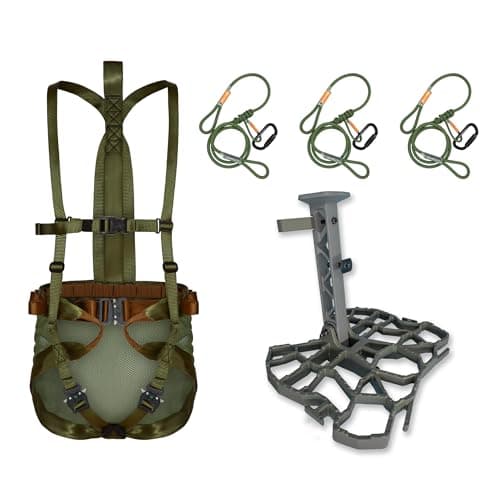
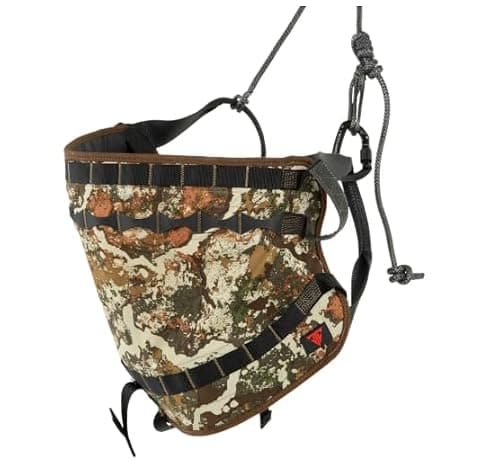
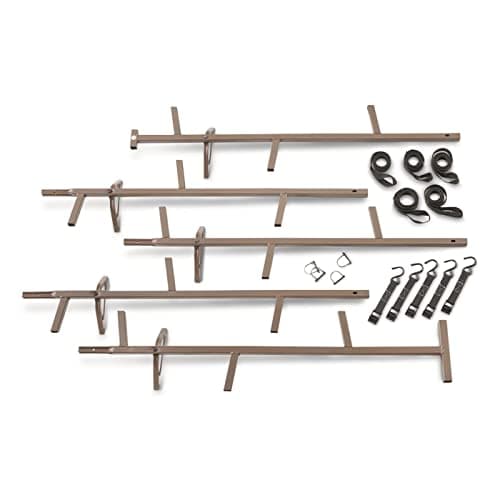
A saddle is not one purchase — it’s a system, and buying the saddle alone is the classic beginner mistake. You need: the saddle (your seat and safety harness in one), climbing sticks or a method to get up the tree, a platform to stand on, a tether that connects you to the tree while you hunt, and a lineman’s beltthat keeps you attached while you climb and hang gear. Miss any one and you either can’t hunt or can’t hunt safely.
Saddle vs. tree stand — which fits you
A saddle wins on weight, packability and concealment: you can carry the whole rig in and lean around the trunk to stay hidden. A fixed or climbing stand wins on comfort and simplicityand has a gentler learning curve. If you hunt one or two known trees on private ground, a stand is often the easier answer; if you hunt pressured public land and need to move, the saddle’s mobility is hard to beat.
Practice before you hunt
The single best piece of saddle advice: practice at ground levelfirst. Hang the saddle a foot off the ground and spend a few sessions learning to lean, shoot around the tree and dial your bridge length before you’re ever high enough to get hurt. Comfort and safety in a saddle are learned skills, not out-of-the-box features.
Frequently asked questions
Is saddle hunting safe?
It can be as safe as any elevated hunting when you stay connected to the tree at all times — from the moment you leave the ground, while you climb, while you hunt, and until you're back down. The danger in all tree hunting is the fall: agencies report most fall victims were not wearing a harness. A saddle keeps you tethered continuously, which is a safety advantage, but only if you use a lineman's belt on the climb and a tether while hunting.
What do I need to start saddle hunting?
The full system: a saddle, a climbing method (usually sticks), a platform to stand on, a tether to the tree, and a lineman's belt for climbing. Buying the saddle alone leaves you unable to hunt — a complete kit, or a carefully matched set of parts, is the right first purchase.
Saddle or tree stand for a beginner?
If you hunt one or two known trees and want the simplest path, a stand has a gentler learning curve. If you hunt pressured or public land and need to move often, a saddle's weight and mobility are worth the steeper learning curve. Either way, wear a harness and stay connected.
How high should I hunt?
High enough to be out of a deer's normal line of sight and to lift your scent, but there's no bonus for extreme height — and higher means a worse fall. Many hunters do well at 15–20 feet. Prioritize a good tree with cover behind you over raw height, and always stay attached.
Sources
- Tree Stand Safety (Wisconsin Department of Natural Resources) — State wildlife agency guidance to always wear a full-body harness/fall-arrest system; ~1 in 4 bowhunters have fallen or nearly fallen (accessed July 22, 2026)
- Tree Stand Safety Awareness Foundation — Safety nonprofit citing a 10-state study: 99% of fall victims were not attached to the tree and 86% wore no harness (accessed July 22, 2026)
- To Beat a Buck's Nose, Remember Thermals (National Deer Association) — How deer exploit wind and rising/falling thermals to detect scent — hunt high in mornings, low in evenings (accessed July 22, 2026)