The à la carte trap, and the one-box tax
Both routes have a failure mode, and knowing which one you are more likely to fall into is most of this decision.
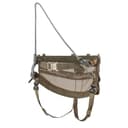
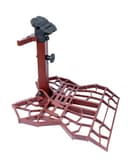
The à la carte trap.You buy a well-reviewed saddle, then a platform from a different brand, then a tether because the saddle did not include one, then sticks. Nothing is wrong with any individual piece and the whole thing never feels right — the bridge sits too long, the platform hangs at an angle you cannot fix, the tether is the wrong length for your height. You end up buying a second platform. That is how a “cheaper” build becomes the expensive one.
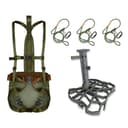
The one-box tax. A complete system is sized to itself, which means you also inherit its weakest component. If the included platform is the part you outgrow, you have paid for it twice. The honest version of that trade: a first-season hunter does not know which component they will outgrow, so the system is the better bet; a hunter on their third season usually does know, and should buy that part deliberately.
Where the numbers actually come from
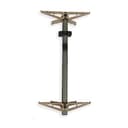
Both of these brands make real gear, and one of them tells you more about it. The Phantom XP publishes a weight (1 lb 12 oz, Regular), a rated capacity (300 lb) and its bridge hardware by name. XOP publishes a total system weight (9.6 lb) and a full contents list, but no rated capacity, and its Edge platform publishes no weight of its own. Neither brand’s climbing sticks publish a weight per stick or a rated capacity — that is not a Tethrd or XOP failing so much as a category-wide one, and we go through it in best climbing sticks.
Our rule on specs is the same here as everywhere on this site: a figure the maker does not print renders as Not publishedrather than as an estimate. If you need a rated capacity on paper — and if you are near the top of any stated range, you do — that currently points at the Phantom and at the platforms that state one (the Hunter Safety System Legend at 300 lb, the UIIHUNT at 500 lb).
What this decision does not change
Neither brand solves the thing that actually decides saddle hunts. You are still attached to a tree by rope, and the Tree Stand Safety Awareness Foundation’s ten-state figures are blunt: 99 percent of fall victims were not attached to the tree and 86 percent wore no harness. Wisconsin’s DNR says the same thing in one line — full-body harness or fall-arrest system, every climb, and it notes that roughly one in four bowhunters has fallen or nearly fallen. A saddle is a harness you hunt from, so staying connected on the way up is not optional on either route.
And neither one hangs itself in the right tree. Picking the trunk, judging the lean, choosing your shooting side and getting the platform level matter more than the logo on the panel — how to choose a tree for saddle hunting and saddle hunting mistakes are the free upgrades available to both buyers.
The decision, in one line each
Buy the XOP complete systemif this is your first saddle, if you want one purchase and one published total weight, or if you are not yet sure saddle hunting suits you — it is the cheapest honest way to find out, and nothing in the box needs matching to anything else.
Buy the Tethrd Phantom XPif you already saddle hunt, if you are chasing weight, or if you want the saddle with the numbers on it — then add a platform that publishes a capacity and sticks you have handled. And if you are still deciding whether any of this is worth it, start with is saddle hunting worth it.