Where the weight actually is
Hunters shop this category backwards. The saddle is the thing you choose first and obsess over, and it is the lightest component in the system. At a published 1 lb 12 oz, the Phantom XP is under two pounds of a pack that will weigh four or five times that. Saving two ounces on a saddle is a rounding error; saving two pounds on how you climb is a different hunt.
The honest order of operations for getting light, heaviest first:
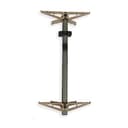
1. Your climbing method.Four aluminum sticks is the single heaviest and bulkiest thing on your back. This is where real weight lives and where the category’s silence is worst — none of the stick sets we track publishes a weight per stick. The lever that works is how many sticks you carry, not which brand is on them. A double-step stick like the XOP X2 covers more tree per stick, and one-sticking drops three of the four entirely at the cost of a slower, more technical climb.
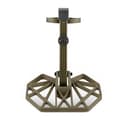
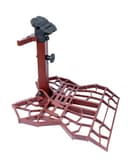
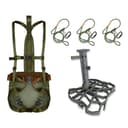
2. Your platform.The second-heaviest item and the one with the best published data. The UIIHUNT states 3.9 lb with a 500 lb rating and 35 degrees of built-in leveling; the Hunter Safety System Legend states 4 lb, a 13.5 by 13.25 inch standing surface, a 300 lb rating and a packed thickness of 3.5 inches. Those two are an ounce and a half apart in weight and very far apart in how they ride — a platform that packs to three and a half inches sits flat against your back instead of levering off it.
3. Ropes and the saddle. Together these are the small end of the weight budget and the sharp end of the safety one. This is the wrong place to shop on grams.
Published, not estimated: what each piece states
Every number here is read from the listing or the maker’s own page. Nothing is inferred.
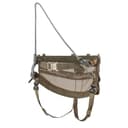
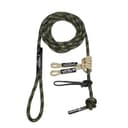
Tethrd Phantom XP— 1 lb 12 oz (Regular), 300 lb rated capacity, Micro Quad Lock Utilibridge, saddle only. UIIHUNT platform— 3.9 lb, 500 lb rated, 12 by 12 inch non-slip standing area, die-cast aluminum, 35 degrees of leveling. HSS Legend platform— 4 lb, packs to 3.5 inches, 13.5 by 13.25 inch surface, 300 lb rated, cast aluminum. Hang Free 8 mm Predator set— 8 mm rope with a 6 mm connector, 8 ft total, 440 lb safe working load, 4,420 lb minimum breaking strength at the sewn eye, third-party tested. XOP complete system— 9.6 lb total for the Mondo saddle, the Edge platform, bridge, tether, lineman’s belt and bag.
And the blanks, stated as blanks: the Hawk Helium saddle and the Trophyline Specter publish no weight and no rated capacity; the XOP X2, Hawk Helium Gen 2, Muddy Pro and Guide Gear stick sets publish no weight per stick and no rated capacity; the XOP Edge and Hawk Apex platforms publish no weight. If weight is the thing you are buying, you cannot buy those on weight. You can buy them on other merits — just not that one.
Three builds, honestly costed in pounds
The weighable build
Phantom XP (1 lb 12 oz) + UIIHUNT platform (3.9 lb) = 5 lb 11 oz known, plus sticks and ropes that publish nothing. This is the lightest setup on this page you can verify even halfway. Add the Hang Free rope set because it is the one rope set with a stated working load, and accept that your stick weight is whatever your own bathroom scale says it is.
The small-pack build
Phantom XP plus the HSS Legend platform. You give up a tenth of a pound and gain a platform that packs to three and a half inches with a bigger standing surface. For a hunter whose problem is a pack that snags and clatters through brush rather than one that is heavy, that is the better trade — and the Legend’s 300 lb rating is published, which the cheaper platforms’ are not.
The one-box build
XOP’s complete system at a published 9.6 lb, then add sticks. It is almost certainly heavier than the à la carte builds above, and it is the only one whose total you can quote. For a first saddle it is also the lowest-risk purchase in the category, because every piece is sized to every other piece — the failure mode of buying à la carte is a platform, a bridge and a tether that technically fit and never feel right together. We work through that decision in XOP vs Tethrd.
What going light costs you
Comfort, mostly. Lightweight saddles get light by using less fabric and thinner panels, and the panel is what your weight hangs from for five hours. If your sits are all day, read most comfortable tree saddles before this page — comfort and weight pull in opposite directions, and only one of them ends a hunt early.
Margin, if you shop on grams in the wrong place.The Tree Stand Safety Awareness Foundation cites a ten-state study in which 99 percent of fall victims were not attached to the tree and 86 percent wore no harness, and Wisconsin’s DNR puts it plainly: wear a full-body harness or fall-arrest system, every climb. A saddle isyour harness, which is exactly why the rope connecting it to the tree is not the component to save four ounces on. Buy the rope set with a published rating and retire it on the maker’s schedule.
Climb speed and noise. Fewer sticks means more moves, more fiddling in the dark and more chances to clang aluminum on aluminum. If you hunt pressured deer who have heard every climber in the county, a quiet climb may be worth more than a light one.
None of this is an argument for carrying a heavy setup. It is an argument for being specific about why you want a light one: a mile-in public-land hunter is solving a real problem, and a hunter walking 150 yards to the back of a farm is solving a magazine-article problem. Our mobile-hunt packing guide is the free half of this page.