The three things that actually decide saddle comfort
1. The platform, which is not the saddle at all
Put this first because it is the finding that saves people the most money. In a saddle you are not sitting the way you sit in a chair — you are leaning back against a panel with your weight shared between your seat and your feet. When the setup hurts, it is usually the feet half that has failed: a small platform forces you onto the balls of your feet, your calves load up, and twenty minutes later you are shifting constantly, which is both uncomfortable and the thing that gets you seen.
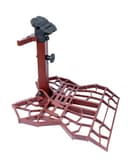
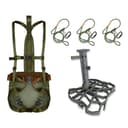
A big platform fixes this, and unlike the saddles, platforms publish real numbers. The Legend platform in this list publishes a 13.5 by 13.25-inch cast-aluminium standing surface, a 300 lb rating and a 4 lb carry weight, plus raised micro-cleat traction for wet or icy days and a sloped front edge built for leaning. If your saddle is uncomfortable and you are standing on a small platform or a ring of steps, upgrade the platform before you replace the saddle. Our platform rankings and how to choose a saddle platform go deeper on size and levelling.
2. Panel width and whether it expands
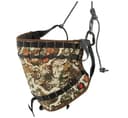
The panel is the fabric your body weight sits in, and the two variables are how wide it is and whether you can change it. A wider panel spreads load over more of your thighs and lower back; an expandable panel lets you run it narrow while climbing and moving, then open it out once you are set for a long sit. Tethrd publishes a 3.5-inch expandable comfort panel with a lace-lock tensioner for exactly that, which is the single most concrete comfort claim anyone in this category makes.
3. Bridge adjustment, the free fix nobody uses
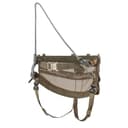
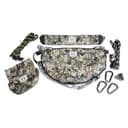
The bridge is the rope loop connecting your saddle to the tether, and its length sets your hang angle. Too short and you are sitting upright with your weight on a narrow strip; too long and you are reclined so far that standing up to shoot becomes a production. Most people set it once in the driveway and never touch it again. A bridge you can adjust at the top and bottom independently — which is what the Phantom XP’s Micro Quad Lock Utilibridge is — lets you tune lean angle and seat height separately, on the tree, while you are actually in it.
Comfort for bigger hunters, honestly
The “most comfortable tree saddle for big guys” question comes up constantly, and the data to answer it properly mostly does not exist. Here is what is actually published:
Tethrd Phantom XP: rated capacity 300 lb; the Regular size fits a 28–36 inch waist, and larger hunters need the XL. That is a specific, checkable number and it is the reason this saddle is the easiest one to recommend to a bigger hunter — not because it is the roomiest, but because you can verify the fit before you buy.
Trophyline Specter, Hawk Helium, XOP system: rated capacity not published on the listings we read. For a hunter near the top of any plausible capacity range, that absence is a real buying obstacle, and we are not going to fill it with a guess. Contact the maker, or buy the one that publishes the number.
The platform matters more here, not less. Heavier hunters load their feet harder, so a 13.5-inch platform with a 300 lb published rating and real traction is doing more work for you than any panel difference. That is the pick we would prioritise.
Comfort is a skill before it is a purchase
Three free things change an uncomfortable saddle setup more than any upgrade on this page.
Practise at three feet, not twenty. Hang the whole system just off the ground in the yard and spend an hour in it. Find your bridge length, find where your knee rests against the tree, find out which way you want to face. Everybody who says saddles are uncomfortable skipped this. How to set up a tree saddle walks through it.
Pick a better tree. A straight trunk with a slight back-lean is comfortable; a fat, forward-leaning tree will make the best saddle in the world miserable, because your lean angle is set by the trunk as much as by your bridge. How to choose a tree for saddle hunting is the cheapest comfort upgrade there is.
Move on purpose, early.Standing on the platform, shifting your knees, switching which hip carries the load — do all of it before you are uncomfortable rather than after, and do it in the first ten minutes of each hour so it never becomes the sudden, obvious movement a deer notices. How to get comfortable in a saddle is the full version of this, and saddle hunting in cold weather covers the version where the cold is what is actually hurting.
Safety, since comfort tempts people to get casual
A comfortable setup is one you stay in longer, higher, and with less attention on the rope. State wildlife agencies are blunt about the stakes: Wisconsin’s DNR guidance is to always wear a full-body harness or fall-arrest system, noting that roughly one in four bowhunters have fallen or nearly fallen. The Tree Stand Safety Awareness Foundation cites a ten-state study in which 99 percent of fall victims were not attached to the tree and 86 percent wore no harness at all. A saddle isyour harness when it is rigged correctly — and only then. Stay attached from the ground up with a lineman’s belt, and read saddle hunting safety tips before your first real sit.