Blind Setup & Accessories
The gear that turns a blind into an all-day setup — chairs, safe heat, and the setup checklist that keeps you comfortable, warm and hidden.
A blind gets you hidden; the accessories are what keep you in it. The two things that end all-day sits early are always the same — you get uncomfortable and you get cold— and both push you into the exact fidgeting and shifting that gets you busted. A silent swivel chair and a safe, right-sized heater aren’t luxuries; they’re concealment gear, because a hunter who’s warm and comfortable sits still, and a hunter who sits still fills tags.
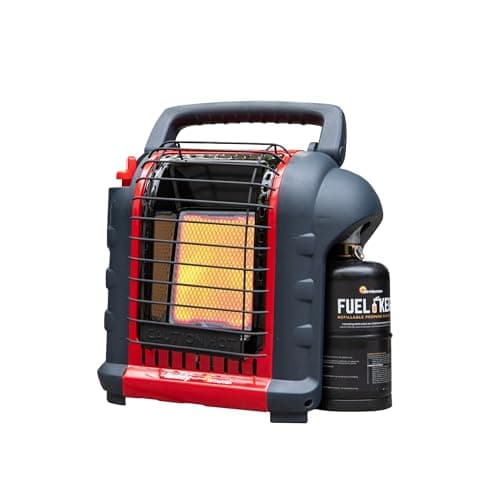
This hub covers the setup gear that matters, and it leads with the one topic no accessory roundup should bury: heater safety. Burning propane inside an enclosed blind produces carbon monoxide, and portable heaters have caused deaths when used in tents and campers without ventilation. We only recommend heaters with the safety hardware — an oxygen-depletion sensor and a tip-over shutoff — and we’ll say plainly, every time, that even those require a cracked window. Comfort and warmth, done safely, are the difference between a morning sit and a dawn-to-dark one.
Everything in Accessories
Best Blind Heaters
Portable propane heaters ranked on the specs that keep you safe in an enclosed blind — oxygen sensor, tip-over shutoff, right-sized BTU.
Our top pick
Mr. Heater Portable Buddy (9,000 BTU)
$89.97 · View on AmazonPrice as of October 24, 2026. #ad How we’re funded
Best Ground Blind Chairs
Blind chairs compared on the feature that decides whether you get busted — a silent swivel — plus seat height, all-day comfort and pack size.
Our top pick
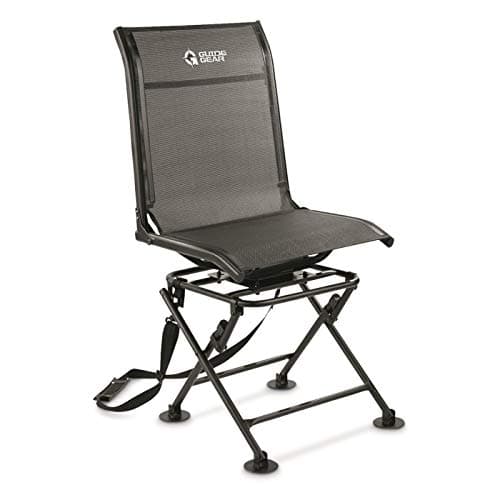
Guide Gear 360° Swivel Hunting Blind Chair
Best Hunting Rangefinders for Bow & Blind Hunters
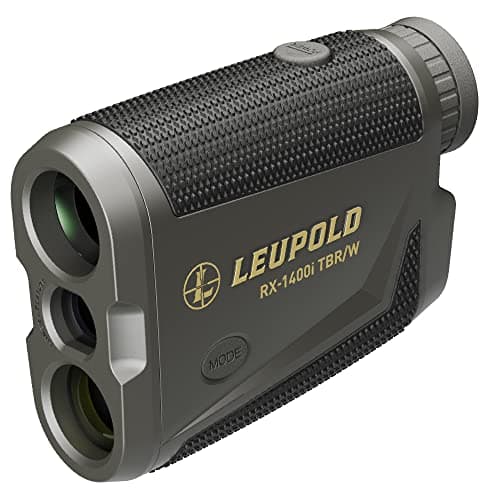
Rangefinders compared on the two specs a blind window actually tests — angle-compensated distance and arrow clearance — plus which cheap units hide their accuracy figure.
Our top pick
Leupold RX-1400i TBR/W Gen 2 with Flightpath
$199.99 · View on AmazonPrice as of October 24, 2026. #ad How we’re funded
Best Ground Blind Accessory Kit
The seven accessories that earn their place in a ground blind — chair, anchors, floor, netting, wind checker, light and safe heat — in build order.
Our top pick
Guide Gear 360° Swivel Hunting Blind Chair
Ground Blind Setup Checklist
Everything to pack and do — from brushing in to CO safety — so nothing costs you a hunt once you're settled in.
Best Ground Blind Stakes & Anchors
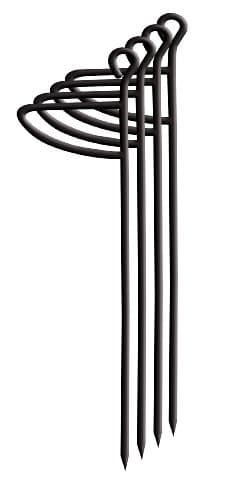
The stakes in the box bend on the first hard ground. Blind stakes and anchors ranked by holding power for the ground you actually hunt.
Best Gifts for Deer Hunters
A curated gift list across every budget — the genuinely useful concealment and blind gear a deer hunter will actually reach for, with live prices.
Our top pick
Mr. Heater Portable Buddy (9,000 BTU)
$89.97 · View on AmazonPrice as of October 24, 2026. #ad How we’re funded
How to Stay Warm in a Ground Blind
Staying warm is a concealment skill — a warm hunter sits still. Layering, safe heat and the setup that keeps you in the blind until last light.
Ground Blind Maintenance & Care
Drying, cleaning, re-waterproofing and storing a ground blind so it lasts many seasons — and doesn't mildew, leak or fail when you need it.
How to Hunt Deer in the Rain
Rain can be prime time — it dampens sound and scent and gets deer moving. How to stay dry, hidden and effective when the weather turns.
Best Hunting Lights
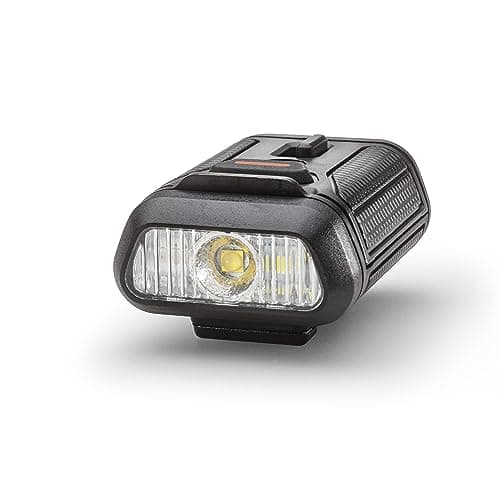
Cap lights and red/green beams for the dark walk in and out without spooking deer — ranked on hands-free use, color and reach.
Our top pick
Bushnell Hat Light (Rechargeable)
$19.99 · View on AmazonPrice as of October 24, 2026. #ad How we’re funded
Best Shooting Sticks & Gun Rests
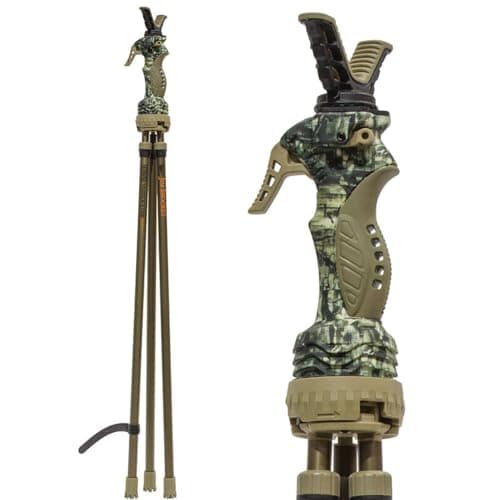
A steady rest turns a marginal offhand shot into a sure one — trigger sticks, tripods and bipods compared for blind and field shooting.
Our top pick
Primos Trigger Stick Gen3 Tripod
Best Hand Warmers for Hunting
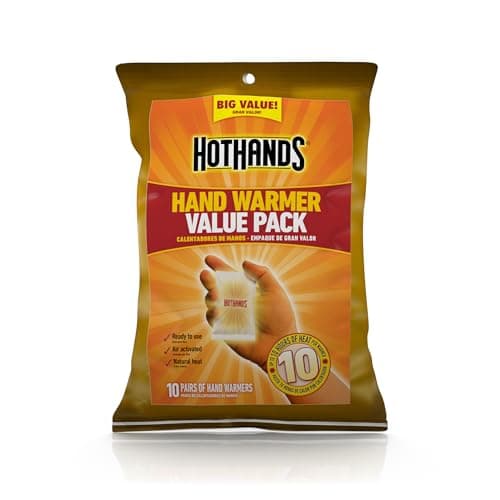
Warm hands are still hands — disposable, rechargeable and refillable warmers plus a hand muff, ranked for the cold sits that fill tags.
Our top pick
HotHands Hand Warmers (10 Pairs)
Best Ground Blind Flooring & Mats
A quiet, dry floor is underrated concealment — mats that deaden footsteps and block the cold ground, ranked by blind type and size.
Our top pick
QVEEQ 48x48 Hunting Floor Mat
$39.99 · View on AmazonPrice as of October 24, 2026. #ad How we’re funded
Red Light vs Green Light for Hunting
Which beam color spooks game least and preserves your night vision best — the honest read on red versus green for the walk in and recovery.
Bipod vs Tripod Shooting Rest
Low and rifle-mounted or tall and free-standing? Which shooting rest fits how and where you hunt — stability, height and weight compared.
Ground Blind Heater Safety
Carbon monoxide is the real danger of burning propane in an enclosed blind — the safety rules, features and habits that keep a heated blind safe.
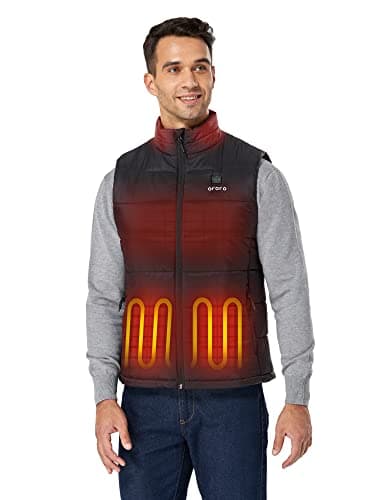
Best Heated Vests for Hunting
A warm hunter sits still, and stillness is concealment. Battery-heated vests ranked to layer under your camo and keep you in the stand to last light.
Our top pick
ORORO Men's Heated Vest (4-Zone, USB-C)
Heated Vest vs Hand Warmers
Warm your core or warm your hands? The two ways to fight the cold on a long sit compared on warmth, cost and which actually keeps you hunting longer.
How to Stay Warm in a Tree Stand
Exposed to the wind with no walls to block it, a tree stand is colder than the ground — layering, wind blocking and heat sources that keep you sitting still up top.
How to Hunt Deer in the Snow
Fresh snow is a tracker's dream and a concealment challenge — reading tracks, breaking up against a white backdrop, and staying warm and mobile in the cold.
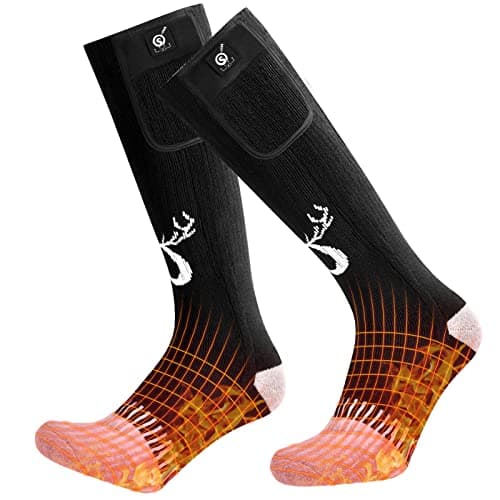
Best Heated Socks for Hunting
Cold feet end more sits early than anything else. Battery-heated socks ranked to keep your toes warm so you sit still to last light — plus a non-powered pick.
Our top pick
SNOW DEER Rechargeable Heated Socks (7.4V, 2200mAh)
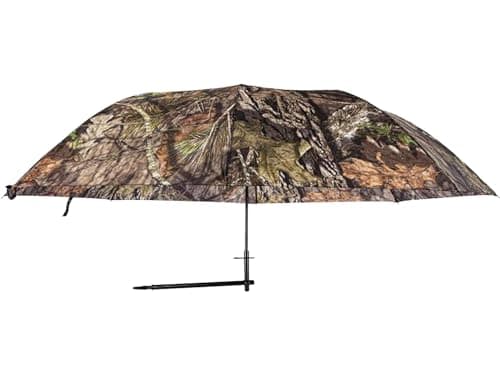
Best Treestand Umbrellas
A camo canopy keeps rain off and breaks your overhead outline so weather doesn't end your sit. Treestand umbrellas ranked, from a full blind kit to a budget backup.
Our top pick
Ameristep Hunter's Umbrella (Mossy Oak Break-Up Country)
$23.99 · View on AmazonPrice as of October 24, 2026. #ad How we’re funded
Heated Socks vs Hand Warmers
Warm your feet or your hands? The two ways to fight cold extremities on a long sit compared on warmth, cost and which keeps you hunting longer.
How to Hunt Deer in Hot Weather
Early-season heat means sweat, scent and midday-bedded deer — how to hunt water and shade, manage your odor in the heat, and stay comfortable enough to sit.
How to Sit All Day Hunting
The all-day sit fills rut tags because most hunters can't do it — the comfort, food, warmth and mental game that keep you in the stand when everyone else has left.
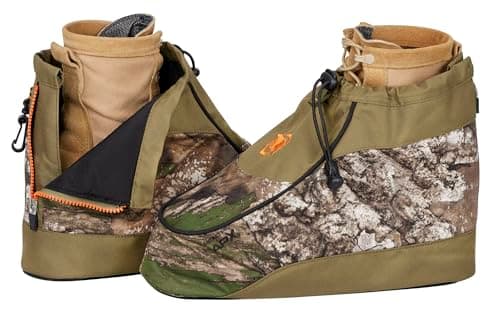
Best Boot Blankets & Insulators
Cold feet end sits early. Over-boot insulators, covers and stand muffs ranked to keep your toes warm so you sit still to last light — walkable to park-your-feet warm.
Our top pick
ArcticShield Boot Insulators (Realtree APX)
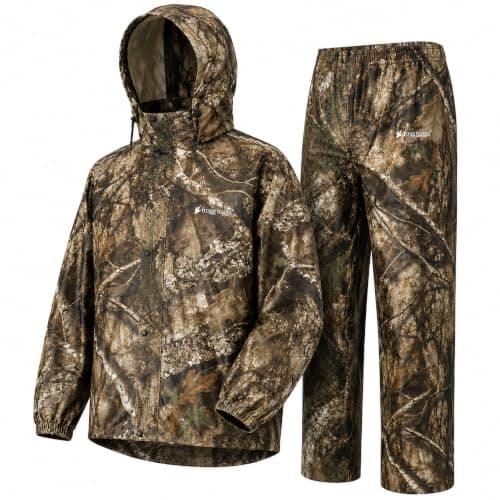
Best Camo Rain Gear for Hunting
Rain is prime time if you stay dry. Waterproof camo rain jackets and suits ranked on breathability, quiet, warmth and value so weather doesn't end your sit.
Our top pick
Frogg Toggs Classic All-Sport Camo Rain Suit (3-Layer)
Boot Blanket vs Heated Socks
Wrap your boots in an insulator or power your feet with heated socks? Warmth, walkability, cost and battery hassle compared to keep your toes in the game.
How to Keep Your Feet Warm Hunting
Cold feet are the number-one reason hunters climb down early — the boots, socks, insulators and circulation habits that keep your toes warm on a long sit.
How to Waterproof Hunting Gear
Re-waterproofing boots, jackets and a ground blind so they actually shed rain — the wash-in and spray-on treatments and the habits that keep you dry and hunting.
How to Layer for Cold-Weather Hunting
The base, mid and shell layering system that keeps a still hunter warm without sweat — how to dress for the sit, not the walk, so you last to last light.
Best Hunting Seat Cushions
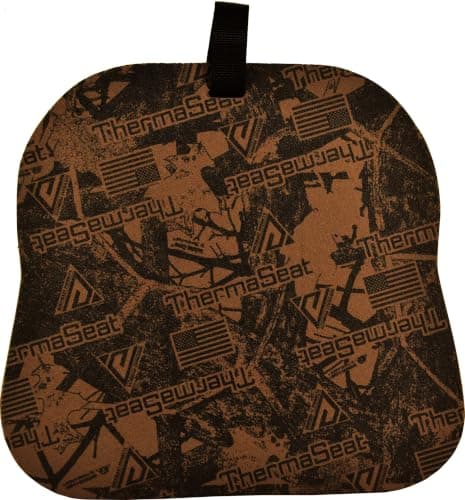
A comfortable, warm seat is what lets you sit still and long. Seat cushions ranked on insulation, comfort and silence, from a classic foam pad to memory foam.
Our top pick
Therm-A-Seat Traditional Hunting Cushion (Made in USA)
Seat Cushion vs Blind Chair
A simple foam pad or a full swivel blind chair? Comfort, packability, silence and cost compared to keep you seated, still and hidden through a long sit.
Synthetic vs Down Insulation
Down's warmth-for-weight or synthetic's warmth-when-wet? The two insulation types compared for a hunter who sits still in the cold, wet and quiet.
How to Silence Your Hunting Gear
Sound busts hunters as often as sight — how to hush zippers, buckles, metal-on-metal and a squeaky stand so a deer never hears you before you see it.
How to Keep Your Hands Warm Hunting
Cold hands end sits early and blow shots — how to keep your fingers working through a freezing all-day sit without fumbling the moment of truth.
How to Hunt From a Box Blind
An enclosed elevated box blind hides movement and holds heat like nothing else — how to place it, manage scent and windows, and hunt it right.
Propane vs Battery Heater for Hunting
Propane throws real heat but needs air; battery and electric warmers are silent and safe but modest — how to choose heat for a blind without risking CO.
How to Pack a Blind Bag
A well-packed blind bag keeps an all-day sit quiet, scent-controlled and everything in reach — what to carry and how to organize it so nothing rattles.
Portable Buddy vs Little Buddy vs Big Buddy
The three Mr. Heater Buddy models head to head — 3,800 vs 9,000 vs 18,000 BTU, the safety shutoffs they share, and which output your blind actually needs.
Our top pick
Mr. Heater Portable Buddy (9,000 BTU)
$89.97 · View on AmazonPrice as of October 24, 2026. #ad How we’re funded
What to Wear Deer Hunting in a Blind
Dressing for a blind is a different problem than dressing for a stand: no wind, no climb, no movement — and six hours of sitting still. The layer-by-layer answer.
Our top pick
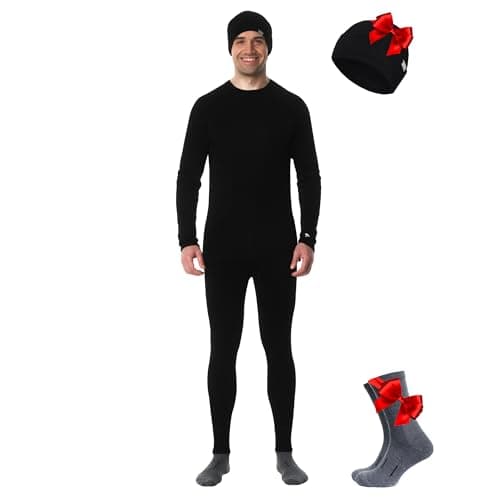
Merino.tech Merino Wool Base Layer Set (Top + Bottom + Beanie)
$109.99 · View on AmazonPrice as of October 24, 2026. #ad How we’re funded
Best Gun Rest for a Deer Blind
A blind window is the wrong height for every rifle. The rests that solve it from a seated position without noise or a second hand, ranked on published adjustment.
Our top pick
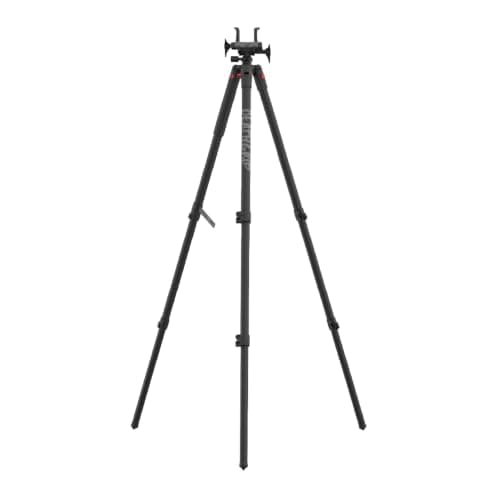
Primos Trigger Stick Gen3 Tripod
Best Crossbow Rest
A crossbow is heavy, front-biased and has limbs that must touch nothing — the rests that hold one steady from a chair, ranked on how they support it.
Our top pick
BOG DeathGrip Tripod
Do You Need a Rangefinder for Bow Hunting?
From a blind, the honest answer is that you need ranges — not necessarily a rangefinder in your hand at the moment of truth. How to get both.
Our top pick
Leupold RX-1400i TBR/W Gen 2 with Flightpath
$199.99 · View on AmazonPrice as of October 24, 2026. #ad How we’re funded
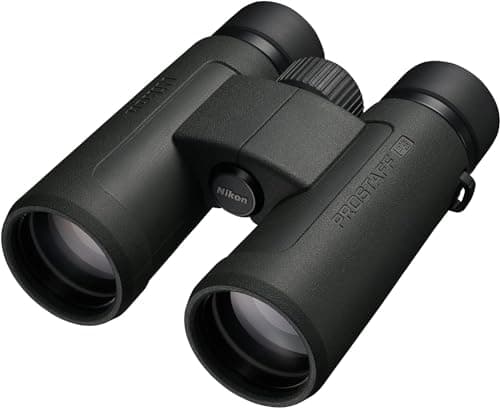
Best Binoculars for Deer Hunting
Glassing from a blind is the opposite of glassing a mountain — close deer, low light, a window frame in the way. Ranked on field of view, eye relief and exit pupil.
Our top pick
Nikon PROSTAFF P3 8x42 Binocular
$156.95 · View on AmazonPrice as of October 24, 2026. #ad How we’re funded
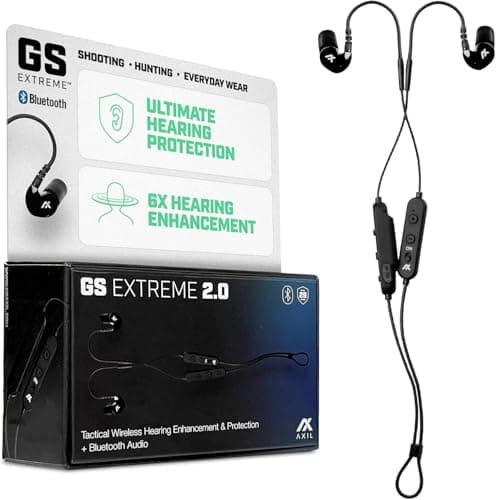
Best Hearing Protection for Hunting
Protection you can hunt in: amplification that lets you hear a deer walking, and a rating that survives a rifle shot inside an enclosed blind.
Our top pick
AXIL GS Extreme 2.0 Shooting Ear Buds
$89.95 · View on AmazonPrice as of October 24, 2026. #ad How we’re funded
8x42 vs 10x42 Binoculars for Hunting
Same objective, same weight, two different tools. Decided on what Nikon and Vortex actually publish — exit pupil, relative brightness and eye relief.
Our top pick
Nikon PROSTAFF P3 8x42 Binocular
$156.95 · View on AmazonPrice as of October 24, 2026. #ad How we’re funded

What actually earns a place in your blind
Not much, and that’s the point — every item you add is one more thing to knock, rustle or trip over in the dark. The high-value additions are a quiet swivel chair (so you can face any window without standing), a right-sized heaterwith real safety features, and a small kit of essentials: a rangefinder or marked yardages, a way to hang your bow or rest your gun, and a bag for the gear you’d otherwise set on the ground and forget. We put the whole shortlist in priority order in the ground blind accessory kit — seven pieces, bought top down, each one fixing the next thing that ends a sit early.
Sizing a blind heater
Match BTU to blind size, then ventilate regardless. A 3,000–4,000 BTU heater is right for a one-person hub; a big box blind in deep cold wants 9,000–18,000 BTU. Bigger is not safer — more BTU means more combustion byproduct in the same sealed space — so size to the blind and crack a window no matter what you run.
Safety first. Any propane heater used inside an enclosed blind must have an oxygen-depletion sensor (ODS) and a tip-over shutoff, and you must still ventilate — crack a window every time. Carbon monoxide from burning propane is odorless and has caused deaths in tents and vehicles. If a heater doesn’t clearly state an indoor-safe rating and an ODS, do not run it in a closed blind. Consider a battery CO alarm in the blind as a backstop.
Frequently asked questions
Are propane heaters safe to use in a ground blind?
Only with the right safety features and ventilation. Use a heater rated indoor-safe with an oxygen-depletion sensor (which shuts it off if oxygen drops) and a tip-over shutoff, and still crack a window every time — burning propane produces carbon monoxide, which is odorless and has killed people in enclosed tents and campers. A battery CO alarm in the blind is a cheap backstop.
What size heater do I need for a ground blind?
A 3,000–4,000 BTU heater suits a one-person hub blind; a large box blind in deep cold wants 9,000–18,000 BTU. Don't oversize 'to be safe' — more BTU means more combustion in the same enclosed space, so match the heater to the blind and always ventilate.
Why does a blind chair need to swivel?
So you can face any window without standing up. Standing or dragging a fixed stool to turn toward an approaching deer is exactly the movement that gets you spotted through a window. A silent 360° swivel lets you track and shoot to any side while staying seated and still.
What are the essential ground blind accessories?
A silent swivel chair, a safe right-sized heater, a way to hang your bow or steady your gun, known yardages or a rangefinder, and a bag to keep gear off the ground and quiet. Everything beyond that is optional — every extra item is one more thing to knock or rustle at the wrong moment.
Sources
- CO Emissions from Portable Propane Radiant Heaters (U.S. Consumer Product Safety Commission, 2002) — CPSC staff report documenting CO deaths from portable propane radiant heaters used in tents, campers and vehicles — the core enclosed-space danger (accessed July 22, 2026)
- Portable Buddy Heater — indoor-safe rating and Oxygen Depletion Sensor (Mr. Heater) — Manufacturer page confirming the Portable Buddy's ODS low-oxygen auto-shutoff, tip-over shutoff and ventilation requirement (accessed July 22, 2026)