Blind & Brush

Best Ground Blind Accessory Kit

The seven accessories that actually earn their place in a ground blind — chair, anchors, floor, netting, wind checker, light and safe heat — in build order, with live prices.

By Stephen V.Last updated How we pick

A ground blind kit is not a shopping list, it is a failure list. Every accessory below exists because something specific ends sits early: the blind blows over, the chair squeaks, your boots crunch leaves at ten yards, the wind swings and you never know it, or you get cold enough by 9 a.m. that you start fidgeting. Fix those failures and you have a blind you can sit in from dark to dark. Everything else is weight you carry and never use.

We ranked these in build order, not price order— buy them top down and each one solves the biggest remaining problem. The first four are cheap and close to non-negotiable: a silent swivel chair, real stakes and tie-downs, a floor mat, and enough nettingto finish the job native brush leaves undone. The last three — wind checker, cap light, heater — are situational but decide whole hunts. Together the first four usually cost less than a mid-price blind and do more for your success rate than upgrading the blind would. If you are still choosing the blind itself, start with the best ground blinds, then come back here.

How this is funded:we earn a commission if you buy through our links, at no extra cost to you. It never changes which product we recommend, and we’ll tell you plainly when we’d skip one. Full disclosure.

Quick picks

Ranked on published specs, concealment fit and value. Select a row to jump to the full write-up. We have not field-tested this gear — here is exactly what we do instead.

#ProductBest forPrice
1
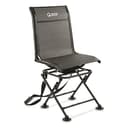
Guide Gear 360° Swivel Hunting Blind Chair

Guide Gear 360° Swivel Hunting Blind Chair

The best value blind chair, full stop. A quiet 360-degree swivel lets you follow a deer to any window without scraping or standing, and it costs a fraction of the premium swivel chairs. For most ground-blind hunters this is all the chair you need.

Start here: the chair
$69.99 · View on Amazon

$79.9913% off

Price as of September 8, 2026. #ad How we’re funded

2
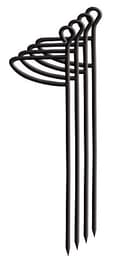
Primos Double Bull Blind Stakes (4-Pack)

Primos Double Bull Blind Stakes (4-Pack)

The purpose-built pick from the blind people. These are made to anchor a hub blind against wind, with a design that grips and a head that won't shred your tie-down loops. The safe default upgrade over the flimsy stakes in the box.

The anchor kit
$15.49 · View on Amazon

Price as of September 8, 2026. #ad How we’re funded

3
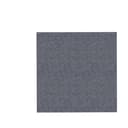
QVEEQ 48x48 Hunting Floor Mat

QVEEQ 48x48 Hunting Floor Mat

The best all-round blind floor: a durable mat that quiets your footfalls, keeps the cold and damp from wicking up, and stops your feet crunching leaves or clinking gear on the ground. A quiet, dry floor is an underrated piece of staying hidden.

The floor
$39.99 · View on Amazon

Price as of September 8, 2026. #ad How we’re funded

4
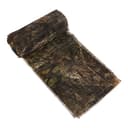
Allen Company Vanish Camo Netting

Allen Company Vanish Camo Netting

The reliable default for camo netting: a big, affordable roll from a trusted hunting brand that you can drape over a pop-up frame, a natural blind, or a gap in your cover. The versatile pick for hiding whatever needs hiding.

The brush-in netting
$32.15 · View on Amazon

$36.9913% off

Price as of September 8, 2026. #ad How we’re funded

5
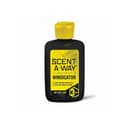
Hunters Specialties Scent-A-Way Windicator

Hunters Specialties Scent-A-Way Windicator

The classic pocket wind checker, and the best few dollars in scent control: a squeeze bottle of fine unscented powder that shows exactly which way your scent is drifting. It reads the swirling ground-level wind a wet finger never will.

The wind check
$6.66 · View on Amazon

Price as of September 8, 2026. #ad How we’re funded

6
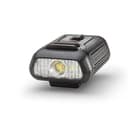
Bushnell Hat Light (Rechargeable)

Bushnell Hat Light (Rechargeable)

The best hands-free light for the walk in and out: a lightweight cap-clip that keeps your hands free for gear and your climb, with a low output that won't blow up the woods. The everyday pick for getting to and from the stand quietly.

The walk-in light
$19.99 · View on Amazon

$24.9920% off

Price as of September 8, 2026. #ad How we’re funded

7
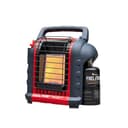
Mr. Heater Portable Buddy (9,000 BTU)

Mr. Heater Portable Buddy (9,000 BTU)

The blind heater almost everyone ends up owning, and rightly so: 4,000-9,000 BTU, indoor-safe rated, with an oxygen-depletion sensor and tip-over shutoff. It heats a blind fast and has the safety hardware you must have to burn propane in an enclosed space. The default pick.

The cold-weather add-on
$109.99 · View on Amazon

Price as of September 8, 2026. #ad How we’re funded

The picks in full

#1Start here: the chairSwivel blind chair

Guide Gear 360° Swivel Hunting Blind Chair

The best value blind chair, full stop. A quiet 360-degree swivel lets you follow a deer to any window without scraping or standing, and it costs a fraction of the premium swivel chairs. For most ground-blind hunters this is all the chair you need.

Strengths

  • Silent 360° swivel to face any window without standing
  • Padded seat comfortable enough for long sits
  • Folds down and priced for what it is

Trade-offs

  • Basic build — not a decade-long heirloom
  • Taller hunters may want more back support
Swivel360°
FoldingYes
PaddedYes
Weight capacityNot published
Seat heightNot published

The spec that matters. A silent swivel is the concealment feature of a blind chair. Standing up or dragging a fixed stool to face a new window is the movement that gets you busted — a quiet swivel lets you track a deer to any window without giving yourself away.

Specs read from the product listing, on July 22, 2026. “Not published” means the maker does not state that figure.

#2The anchor kitGround blind stakes

Primos Double Bull Blind Stakes (4-Pack)

The purpose-built pick from the blind people. These are made to anchor a hub blind against wind, with a design that grips and a head that won't shred your tie-down loops. The safe default upgrade over the flimsy stakes in the box.

Strengths

  • Designed specifically for anchoring ground blinds
  • Sturdier than the stakes most blinds ship with
  • From a trusted blind brand

Trade-offs

  • Pricier than generic tent stakes
  • Four may not be enough for a big blind in high wind
TypeBlind anchor stakes
Pack4 stakes
Purpose-builtYes
MaterialNot published
LengthNot published

The spec that matters. The stakes in a blind's box are usually an afterthought — thin wire that bends on the first hard ground. Staking a blind properly is what keeps it from becoming a kite the one morning the wind comes up.

Specs read from the product listing, on July 22, 2026. “Not published” means the maker does not state that figure.

#3The floorBlind floor mat

QVEEQ 48x48 Hunting Floor Mat

The best all-round blind floor: a durable mat that quiets your footfalls, keeps the cold and damp from wicking up, and stops your feet crunching leaves or clinking gear on the ground. A quiet, dry floor is an underrated piece of staying hidden.

Strengths

  • Deadens footstep and gear noise on the floor
  • Blocks cold and damp from the ground
  • Sized to fit most hub blinds

Trade-offs

  • One more thing to pack into a walk-in blind
  • Bare polyester alone isn't much insulation in deep cold
TypeBlind floor mat
Size48" x 48"
Noise reductionYes
InsulationNot published
MaterialDurable polyester

The spec that matters. Sound gives hunters away as often as sight — a crunched leaf or a boot clinking a stake at the wrong moment. A floor mat quiets the one surface you're constantly shifting your feet on, which is why it belongs in a serious blind setup.

Specs read from the product listing, on July 22, 2026. “Not published” means the maker does not state that figure.

#4The brush-in nettingCamo netting

Allen Company Vanish Camo Netting

The reliable default for camo netting: a big, affordable roll from a trusted hunting brand that you can drape over a pop-up frame, a natural blind, or a gap in your cover. The versatile pick for hiding whatever needs hiding.

Strengths

  • Large, affordable roll from a known hunting brand
  • Versatile — blinds, natural cover, gear, boats
  • Lightweight and easy to cut to size

Trade-offs

  • Open mesh is concealment, not weather protection
  • You supply the cordage or clips to hang it
TypeCamo mesh netting
UseBlinds, natural cover, gear
Cut-to-fitYes
DimensionsNot published
PatternNot published

The spec that matters. Netting is the cheapest way to fix a blind's weak spots — drape it over a too-open window, a shiny gap, or the frame of a natural blind. It breaks up shape and shine; it doesn't block wind or scent.

Specs read from the product listing, on July 22, 2026. “Not published” means the maker does not state that figure.

#5The wind checkPowder wind checker

Hunters Specialties Scent-A-Way Windicator

The classic pocket wind checker, and the best few dollars in scent control: a squeeze bottle of fine unscented powder that shows exactly which way your scent is drifting. It reads the swirling ground-level wind a wet finger never will.

Strengths

  • Shows the real ground-level wind direction and thermals
  • Costs about the same as a coffee — no excuse not to carry one
  • Unscented powder won't add odor

Trade-offs

  • Powder can clump in wet or humid weather
  • Fine powder drifts only a short distance — read it up close
TypeSqueeze-bottle powder
ScentUnscented
Reads thermalsYes
SizePocket
RefillableNot published

The spec that matters. Reading the actual wind beats guessing at it — a puff of powder reveals the swirling, thermal-driven ground wind that decides whether a deer smells you, which the forecast and a wet finger both miss.

Specs read from the product listing, on July 22, 2026. “Not published” means the maker does not state that figure.

#6The walk-in lightCap-clip hunting light

Bushnell Hat Light (Rechargeable)

The best hands-free light for the walk in and out: a lightweight cap-clip that keeps your hands free for gear and your climb, with a low output that won't blow up the woods. The everyday pick for getting to and from the stand quietly.

Strengths

  • Hands-free clip keeps hands free for climbing and gear
  • Low, dimmable output won't over-light the woods
  • Rechargeable or AAA — no dead-battery surprise

Trade-offs

  • Not a long-range beam for blood trailing
  • Clip fits most brims but check a stiff-brim beanie
TypeCap-clip light
PowerRechargeable or 3x AAA
Hands-freeYes
ColorsNot published
Max outputNot published

The spec that matters. The light that gets you busted is a bright white beam swung around a bedding area on the walk in. Keep it dim, keep it low, and use only as much light as you need to place your feet — deer notice the sweep of a beam more than a dim glow.

Specs read from the product listing, on July 22, 2026. “Not published” means the maker does not state that figure.

#7The cold-weather add-onPortable propane heater

Mr. Heater Portable Buddy (9,000 BTU)

The blind heater almost everyone ends up owning, and rightly so: 4,000-9,000 BTU, indoor-safe rated, with an oxygen-depletion sensor and tip-over shutoff. It heats a blind fast and has the safety hardware you must have to burn propane in an enclosed space. The default pick.

Strengths

  • Indoor-safe rated with an Oxygen Depletion Sensor (auto low-oxygen shutoff)
  • Tip-over auto shutoff — critical inside a small blind
  • Adjustable 4,000-9,000 BTU heats a hub blind quickly

Trade-offs

  • Still requires ventilation — no propane heater is 'set and forget' in a sealed blind
  • The 1 lb cylinders it runs on empty fast; a hose-and-tank adapter is worth it
Output4,000-9,000 BTU (adjustable)
Indoor-safe ratedYes
Oxygen Depletion Sensor (ODS)Yes
Tip-over shutoffYes
Fuel1 lb propane (adapter for bulk tank)

The spec that matters. The only heater specs that matter in an enclosed blind are the safety ones: an Oxygen Depletion Sensor and a tip-over shutoff are non-negotiable, and even with both you must crack a window. Carbon monoxide from burning propane is the real risk — see our safety note below.

Specs read from the product listing, on July 22, 2026. “Not published” means the maker does not state that figure.

How to build a ground blind kit, in order

1. The chair, before anything else.It is the accessory you are in contact with for every second of the sit, and a 360-degree silent swivel is a concealment feature rather than a comfort one — it lets you face a new window without the stand-and-shuffle that gets hunters busted. Match the seat heightto your blind’s window height before you buy; a chair that sits you three inches too low turns every shot into a crane and a lean. The full comparison is in best ground blind chairs.

2. Anchors, because a hub blind is a sail.The wire stakes in the box bend on the first frozen or rocky ground. Carry four to eight real stakes plus 20 to 30 feet of cord for the roof tie-down loops, and plan a second anchoring method for ground that will not take a stake — tie-offs to nearby trees, screw-in style anchors in soft soil, or weight set low inside on the frame skirt. The deeper comparison lives in best ground blind stakes and anchors.

3. The floor, because sound busts as many hunters as sight. You will shift your feet a few hundred times over a long sit, and bare leaves, frozen dirt and a dropped stake all announce it. A mat sized to your blind’s footprint kills that noise and blocks cold wicking up through your boots. Measure the floor before you buy — a 48-inch square suits most five-hub blinds, while a large four-person blind needs two mats or a bigger one. See best ground blind flooring for the sizing.

4. Netting, to finish what native brush cannot.Brush cut from within a few yards of the blind is always the primary material because it matches the exact color and texture deer expect there. But it wilts, and it never covers the roofline seam or the bare corner where nothing grows. A cheap roll of cut-to-fit mesh patches those gaps and gives you something to weave fresh vegetation into as the first armful browns. Use it as a supplement, never a substitute — the technique is in how to brush in a ground blind.

5. A wind checker, for the wind you cannot feel. Zipped inside a blind you have almost no read on the outside air, and ground-level wind near cover swirls in ways a forecast never shows. A few dollars of unscented powder puffed out a window tells you whether your setup still works or whether it is time to move, and it reads the morning and evening thermals that beat more blind hunters than wind direction does. Compare them in best wind checkers.

6. A dim, hands-free light for the walk in and out. The light that costs you deer is a bright white beam swung across a field at 5 a.m. A low cap-clip light keeps your hands free for the blind bag and puts just enough light on your feet. Keep it pointed down and dim; see best hunting lights for the red-versus-green question.

7. Heat, last, and only with the safety hardware.A warm hunter sits still, so a heater genuinely extends late-season sits — but burning propane inside an enclosed blind produces carbon monoxide, and the U.S. Consumer Product Safety Commission has documented CO deaths from portable propane radiant heaters used in tents, campers and vehicles. Buy only a unit with an oxygen depletion sensor and a tip-over shutoff, keep it clear of the fabric walls, and crack a window every time regardless of what the box says. The full rules are in ground blind heater safety.

Two kit items nobody sells you — check your regulations

Two things belong in a public-land blind kit that no bundle includes. First, blaze orange for the blind itself. Minnesota law requires a fabric or synthetic ground blind used to hunt deer on public land to carry a blaze orange covering on top visible for 360 degrees, or at least 144 square inches of blaze orange on each side. Wisconsin requires 144 square inches of solid blaze orange or fluorescent pink visible from all directions on DNR-controlled land during firearm deer seasons. Second, identification: Wisconsin requires an unoccupied blind on DNR land to carry the owner’s DNR customer ID number or name and address, attached so it is visible and legible. Wisconsin exempts blinds built entirely of dead vegetation found on the property. Rules differ by state and by property, so read your current regulations before you leave a blind standing — a legal blind you can leave out is worth far more than a hidden one you have to carry in every morning.

What to leave out of the bag

The instinct is to fill the blind. Resist it — every extra item is one more thing to knock over, rattle, or fumble past in the dark. You do not need a second chair, a folding table, three calls you never blow, or a duplicate light. Skip scented hand warmers, skip anything in a hard case that clacks, and skip buying netting instead of cutting real brush. Consolidate the small stuff into one organized bag so nothing sits loose on the floor; our guide to packing a blind bag covers the layout that keeps an all-day sit quiet.

Kit it once, then check it every season

Build the kit and keep it packed as a unit so you are not hunting for stakes the morning of the opener. Before each season, run the pieces: work the chair swivel for squeaks, count the stakes and cord, air the mat out, check the heater hose and cylinder, and top up the wind-checker powder, which clumps in humidity. The full pre-hunt sequence is in the ground blind setup checklist, and the setup it all serves is how to set up a ground blind.
Frequently asked questions

What accessories do you actually need for a ground blind?

Four things earn their place in almost every blind: a silent swivel chair at the right height for your windows, real stakes plus cord to anchor the blind against wind, a floor mat to kill footstep noise and block cold from the ground, and some netting to patch the gaps your natural brush leaves. After those, a pocket wind checker and a dim cap light for the walk in and out are cheap and high-value, and a safety-equipped propane heater extends cold-weather sits. Everything beyond that is usually weight you carry and never use.

What is the single most important ground blind accessory?

The chair, and it is not close. You are in contact with it for the entire sit, and a quiet 360-degree swivel is a concealment tool rather than a comfort item — it lets you turn to face any window without standing up, which is the most common way blind hunters get busted. Match the seat height to your blind's shooting windows so you are not craning or leaning at the moment of truth, and test the swivel for squeaks before you hunt it.

Do I need a floor mat in a ground blind?

It is one of the cheapest upgrades with a real effect. Sound gives hunters away as often as sight, and you will shift your feet hundreds of times over a long sit — on bare leaves, frozen ground, or over a dropped stake, every one of those is a noise a deer at fifteen yards can hear. A mat sized to your blind's floor deadens it and blocks cold wicking up through your boots. Measure the footprint first: a 48-inch square covers most five-hub blinds, while large four-person blinds need two mats or a bigger one.

Is a propane heater safe inside a ground blind?

Only with the right hardware and real ventilation. Burning propane in an enclosed space produces carbon monoxide, and the U.S. Consumer Product Safety Commission has documented deaths from portable propane radiant heaters used in tents, campers and vehicles. Use only a heater with an oxygen depletion sensor that shuts it down in low oxygen and a tip-over auto shutoff, keep it well clear of the fabric walls, and crack a window every single time regardless of what the box says. Treat a sealed blind with a heater running as a genuine hazard, not a comfort question.

Does my ground blind need blaze orange on public land?

In several states, yes, and the requirement is specific. Minnesota requires a fabric or synthetic ground blind used to hunt deer on public land to carry a blaze orange covering on top visible for 360 degrees, or at least 144 square inches of blaze orange on each side. Wisconsin requires 144 square inches of solid blaze orange or fluorescent pink visible from all directions on DNR-controlled land during firearm deer seasons, and an unoccupied blind must carry the owner's DNR customer ID or name and address. Wisconsin exempts blinds built entirely of dead vegetation found on the property. Rules vary widely, so check your own state's current regulations before you set a blind on public ground.

Can I skip the netting if I brush the blind in with real cover?

Often, yes — native vegetation cut from within a few yards of the blind is always the better material because it matches the exact color and texture deer expect there. Netting earns its spot in two situations: patching what real brush cannot cover, like the roofline seam or a bare corner where nothing grows, and giving you something to weave fresh vegetation into as your first armful wilts. Treat it as a supplement to brushing in, never a replacement for it.

Sources

Keep reading