Camo & Concealment
The 'brush' half of Blind & Brush — breaking up your outline with camo, patterns and natural cover so a deer's eyes slide right past you.
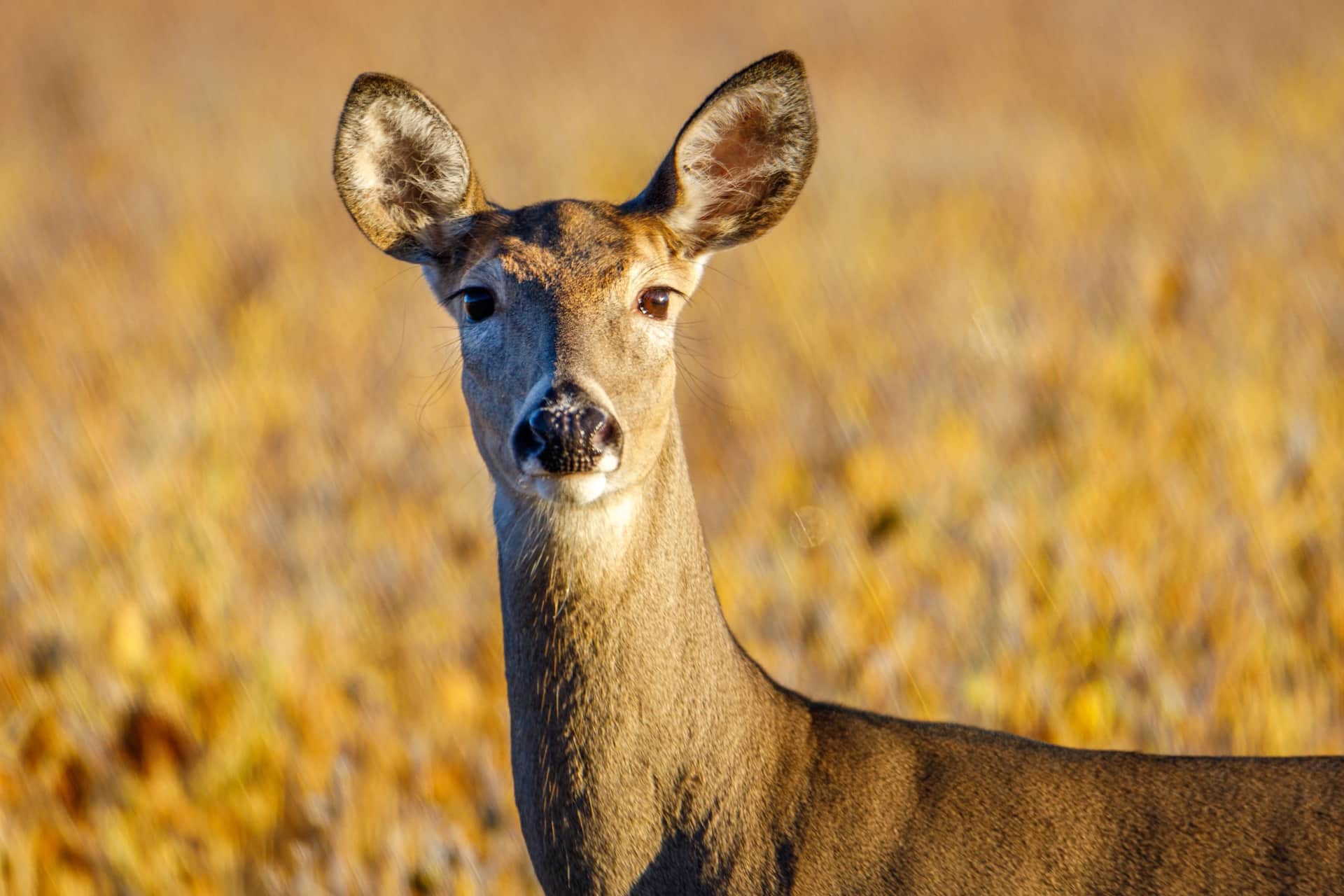
This is the “brush” half of Blind & Brush — the art of breaking up your outline so a deer’s eyes slide right past you. And it starts with understanding what a deer actually sees, because it’s not what most hunters think. Deer are dichromats: they see blues and greens well and reds and oranges poorly, which is exactly why blaze orange keeps you legal and visible to other hunters while looking like a muted gray tone to a deer. What a deer’s eyes are tuned to is movement and a solid, out-of-place outline.
That reframes the whole camo question. The photorealistic leaves on a pattern matter far less than two things: whether your gear is quietenough that you don’t move-and-scratch at the wrong moment, and whether your silhouette is broken upby pattern, shadow and natural cover. A hunter in a mid-priced quiet jacket, tucked into brush and holding still, disappears better than a hunter in the most detailed pattern made, standing in the open and fidgeting. We compare camo on that reality — and cover the natural concealment that does more than any garment.
Everything in Camo & Concealment
Best Hunting Camo
Camo jackets and suits compared on the thing deer actually notice — noise and outline — not just how detailed the pattern looks.
Our top pick
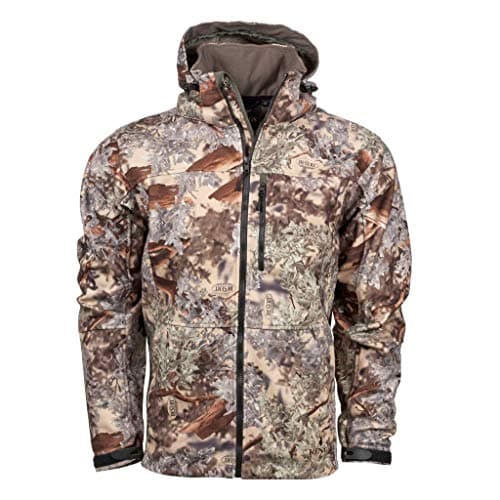
Kings Camo Hunter Series Wind-Defender Fleece Jacket
$139.99 · View on AmazonPrice as of October 24, 2026. #ad How we’re funded
Camo Patterns Explained
What deer actually see, why blaze orange doesn't blow your cover, and how to pick a pattern for your terrain.
How to Brush In a Ground Blind
The step that makes a blind actually disappear — how to add natural cover, what to cut in each habitat, and how much is enough.
Best Camo Face Masks & Gloves
The face and hands are the shiny, moving giveaways a great jacket doesn't fix. Masks, balaclavas and gloves ranked to hide them.
Brush Blinds & Natural Concealment
The brand's namesake: using natural brush and cover — with or without a manufactured blind — to disappear into the landscape.
How to Build a Natural Ground Blind
A step-by-step guide to building a concealment blind from natural material — free, silent, and already part of the landscape a deer trusts.
Mossy Oak vs Realtree
The two biggest camo patterns compared on how they break up your outline, which terrain each suits, and whether it even matters to a deer.
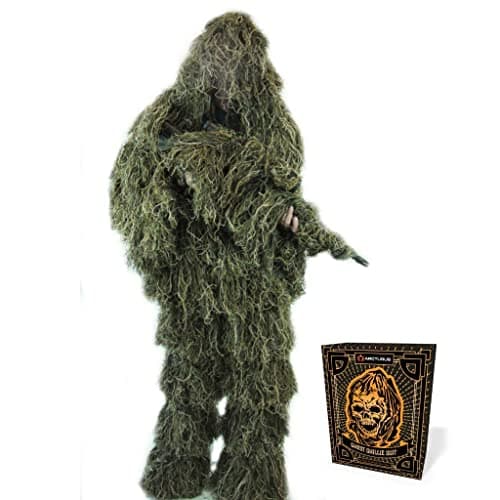
Best Ghillie Suits
Full ghillie suits ranked for concealment, weight and durability — when total outline breakup is worth the bulk, and which suit to buy.
Our top pick
Arcturus Ghost Ghillie Suit
$69.99 · View on AmazonPrice as of October 24, 2026. #ad How we’re funded
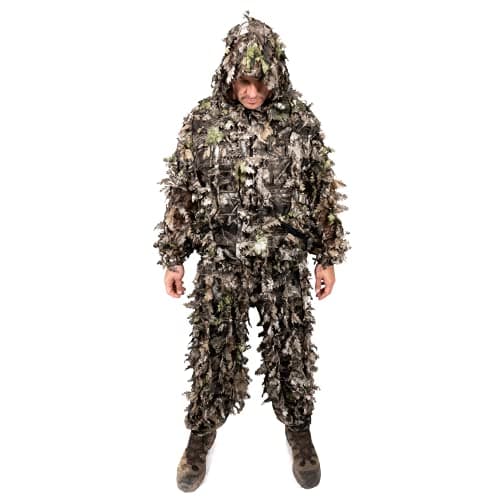
Best Leafy Camo Suits
Lighter 3D leaf suits for turkey and early-season bow — the middle ground between a printed jacket and a full ghillie, compared on weight and coverage.
Our top pick
Arcturus 3D Leaf Ghillie Suit
$59.99 · View on AmazonPrice as of October 24, 2026. #ad How we’re funded
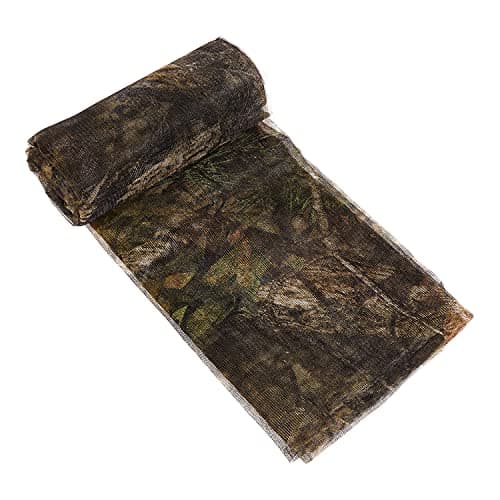
Best Camo Netting for Blinds
Netting to build a natural blind, fix a shiny gap, or add see-through walls — ranked by durability and use, including one-way and burlap options.
Our top pick
Allen Company Vanish Camo Netting
Ghillie Suit vs Leafy Suit
Full ghillie or lighter leafy suit? Which hides you better, which suits turkey vs deer, and which you'll actually wear — a clear decision guide.
How to Choose Camo for Your Terrain
Matching pattern tone and contrast to open country, dark timber, or early-green vs late-brown seasons — and why it matters less than you think.
Deer Vision Explained
What a deer actually sees — dichromat color vision, motion sensitivity and low-light acuity — and exactly what it means for how you dress and move.
How to Use a Ghillie Suit
Getting the most from a ghillie — adding local vegetation, breaking your silhouette, staying cool and quiet, and when a ghillie is the wrong tool.
Best Hunting Gloves
Camo gloves ranked to hide the bright, moving hands a great jacket doesn't — shooter, bow, cold-weather and fingerless picks with honest trade-offs.
Our top pick
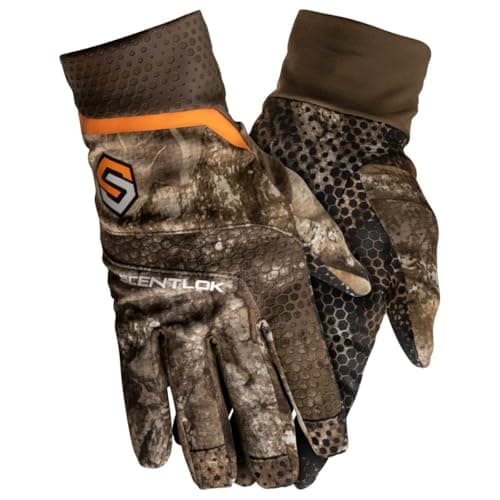
ScentLok Savanna Lightweight Shooter Gloves
$39.99 · View on AmazonPrice as of October 24, 2026. #ad How we’re funded
Best Camo Hats & Beanies
Beanies and caps that cover the round, giveaway shape of your head — warm knit for late season, vented caps for early, ranked by season and fit.
Our top pick
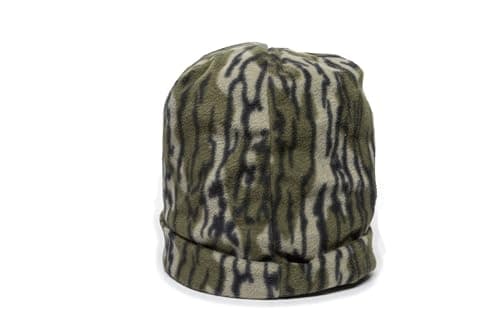
Outdoor Cap Mossy Oak Original Bottomland Knit Beanie
$18.97 · View on AmazonPrice as of October 24, 2026. #ad How we’re funded
How to Stay Still While Hunting
Movement busts more hunters than bad camo ever will. The setup, mindset and micro-habits that let you sit motionless when it counts.
How to Hide in Open Terrain
Concealment where there's no timber to tuck into — using ground contour, shadow, backdrops and a ghillie or leafy suit to disappear in the open.
Does Camo Matter for Deer Hunting?
The honest, science-first answer — what deer actually see, why movement and outline beat pattern, and when camo helps versus when it doesn't.
How to Conceal in a Tree Stand
Being up a tree isn't hidden by itself — using a backdrop, brushing in your stand, and breaking your outline so deer don't skyline you.
Best Hunting Face Paint
Your bright, oily face is the giveaway a good jacket doesn't fix. Camo face paints — cremes and sticks — ranked to kill shine and break up your outline.
Our top pick
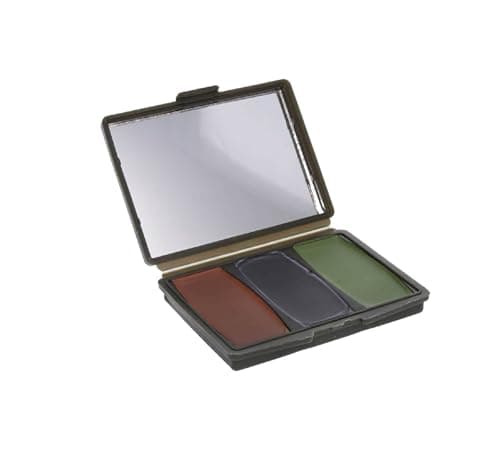
Hunters Specialties 3-Color Woodland Makeup Kit
Face Paint vs Face Mask
Paint your face or pull on a mask? Concealment, comfort, breathing and shooting compared — which better hides the shiny, moving giveaway of your face.
How to Apply Hunting Face Paint
Where to go dark, where to go light, and how to break up the flat oval of your face — a step-by-step routine that actually hides you, not just decorates you.
Do Deer See Color?
What the science actually shows about whitetail color vision — the blues they see well, the reds and oranges they don't, and what it means for what you wear.
How to Stay Hidden From Deer
Concealment is a system, not a jacket — beating a deer's eyes, ears and nose together with outline, stillness, backdrop and wind. The complete playbook.
Best Hunting Neck Gaiters
The neck and lower face are bright skin a jacket and hat leave out. Camo gaiters ranked to cover them — pull up to hide, drop to shoot, warm to cold.
Our top pick
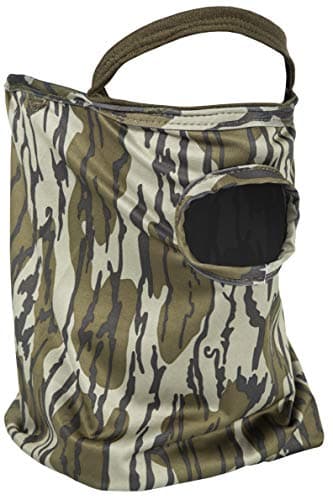
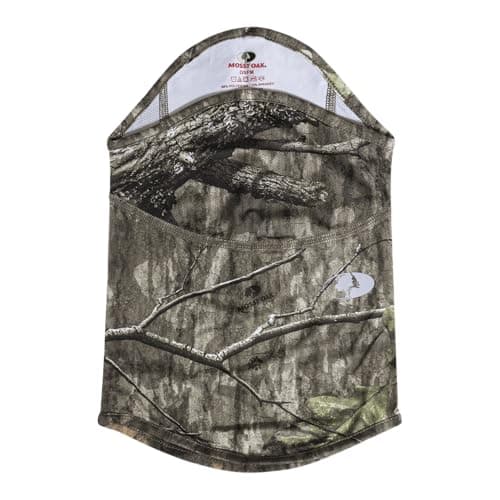
Mossy Oak Camo Hunting Face Mask / Neck Gaiter
$14.99 · View on AmazonPrice as of October 24, 2026. #ad How we’re funded
Neck Gaiter vs Face Mask
A pull-up tube gaiter or a full balaclava? Concealment, warmth, breathing and shooting compared — which better hides the giveaway of your face and neck.
Can Deer See Blaze Orange?
The science on why hunter orange keeps you legal and visible to people while reading as a muted tone to a deer — plus what actually gives you away.
How to Camo Your Bow and Gun
A shiny riser or a glinting barrel is a giveaway your camo clothes don't fix — how to break up and dull your weapon so it doesn't flash a deer at the worst moment.
Best Camo Tape & Gun Wrap
Self-cling wraps and camo tape to kill the shine on a bow riser, scope or barrel — ranked on residue, reusability and coverage, with the parts to never wrap.
Our top pick
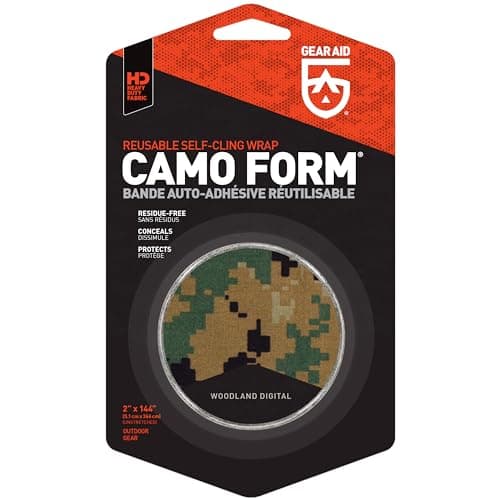
Gear Aid Camo Form Self-Cling Wrap
$16.95 · View on AmazonPrice as of October 24, 2026. #ad How we’re funded
Best Blaze Orange for Hunting
Stay legal and visible to people while staying hidden from deer — blaze vests, beanies and blaze-camo ranked, with how orange reads to a deer's color-blind eyes.
Our top pick
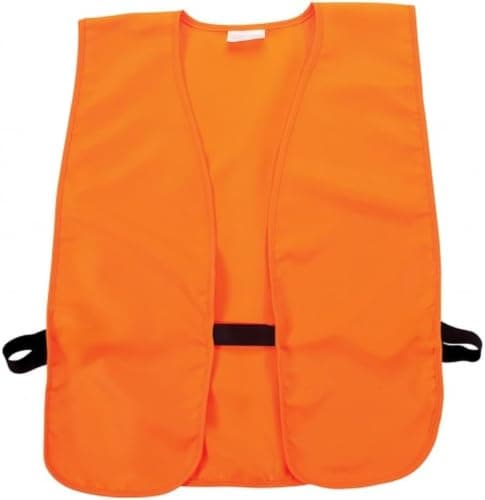
Allen Company Blaze Orange Hunting Vest (Quiet Polyester)
Camo Tape vs Hydro Dip
Removable camo wrap or a permanent hydro-dip finish for your bow or gun? Reversibility, durability, cost and concealment compared to pick the right camo job.
Blaze Orange vs Camo
Do you wear orange or camo — or both? How hunter orange and camo work together, why orange doesn't blow your cover, and what a deer actually sees.
Do You Need Blaze Orange for Bow Season?
The rules on hunter orange during archery season vary by state and overlap with gun seasons — how to check your regs and stay both legal and concealed.
Best Hunting Headnets & Face Nets
A mesh headnet hides the bright, moving face a jacket leaves out — headnets ranked from lightweight mesh to 3D leafy, with the note on shooting through the net.
Our top pick
Allen Company Vanish Visa Form Full Head Net (Adjustable Nose Bridge)
$11.19 · View on AmazonPrice as of October 24, 2026. #ad How we’re funded
Headnet vs Face Mask
A breathable mesh headnet or a fitted face mask? Coverage, breathing, sight picture and warmth compared to hide the giveaway of your face.
How to Break Up Your Outline
Deer key on shape and movement far more than pattern — how to shatter the human silhouette with backing cover, contrast and position so their eyes slide past you.
Do You Need Camo in a Ground Blind?
A blacked-out blind hides you far better than any camo pattern — what actually matters for concealment inside a blind, and where camo still earns its place.
How to Hide Your Shine and Glare
A shiny face, bright optics or a UV-bright jacket can flag a deer when your camo is perfect — how to kill glare and the blue-white brighteners deer see best.
Early Season vs Late Season Camo
Green summer woods and bare December timber ask for opposite camo — how to match pattern and color to the season instead of buying one suit for everything.
Is Military Camo Good for Hunting?
Army surplus hides you from a human. Hunting camo hides you from a dichromat with motion-tuned eyes — and the gap is noise and insulation, not pattern.
Our top pick
TIDEWE Silent Hunting Suit (Jacket + Pants)
$174.99 · View on AmazonPrice as of October 24, 2026. #ad How we’re funded
Do Ghillie Suits Work for Deer Hunting?
A ghillie suit beats flat camo at the one thing deer vision is actually tuned for — outline. Where that pays, where it costs you the hunt, and the cheaper suit that does most of it.
Our top pick
Arcturus 3D Leaf Ghillie Suit
$59.99 · View on AmazonPrice as of October 24, 2026. #ad How we’re funded
Best Camo for Turkey Hunting
A turkey sees better than you do and catches movement faster — so turkey camo is about covering hands and face first, and pattern second.
Our top pick
QuikCamo Mossy Oak 3D Leafy Hooded 1/4-Zip
$69.99 · View on AmazonPrice as of October 24, 2026. #ad How we’re funded
How to Set Up Camo Netting
Hanging netting so it hides you instead of flagging you: where to put it, how much you need, how to measure before you order, and the mistake that gets hunters busted.
Our top pick
Allen Company Vanish Camo Netting
Can Turkeys See Color?
Yes — and the NWTF says their color range exceeds ours and probably reaches into ultraviolet. What that changes about how you dress and sit.
Our top pick
Allen Company Vanish Visa Form Full Head Net (Adjustable Nose Bridge)
$11.19 · View on AmazonPrice as of October 24, 2026. #ad How we’re funded
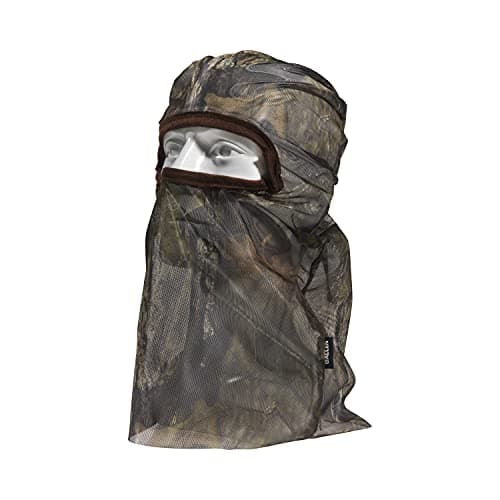
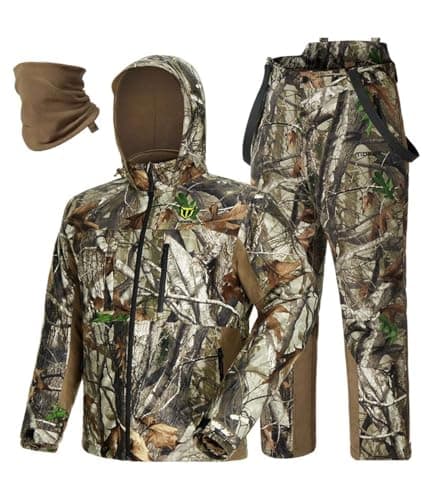
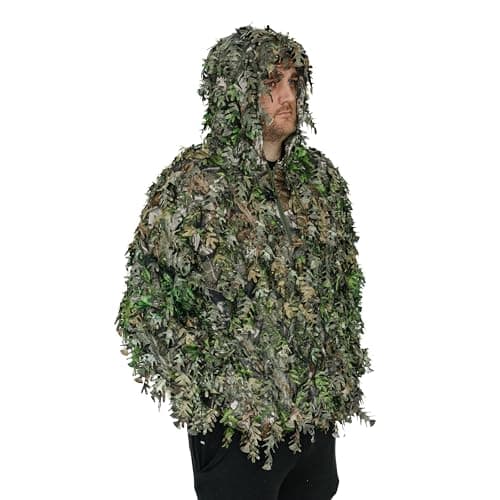
What actually hides you
Concealment is three things, in order: stillness, a broken outline, and a distant-enough backdrop that you don’t skyline. Camo helps with the second; it does nothing for the first. That’s why the most useful spec on a hunting jacket isn’t the pattern — it’s how quiet the fabric is when you draw, shift or raise a gun. A silent brushed or fleece face beats a noisy shell in any pattern.
Picking a pattern for your terrain
Match the dominant tone and contrastof where you hunt, not the label. Open Western country wants lighter, higher-contrast patterns; dark Eastern timber wants darker, muddier ones; early-season green differs from late-season brown. An all-purpose pattern is a safe default, but the single biggest visual win is breaking your outline with the actual cover around you, whatever you’re wearing.
The concealment most hunters skip
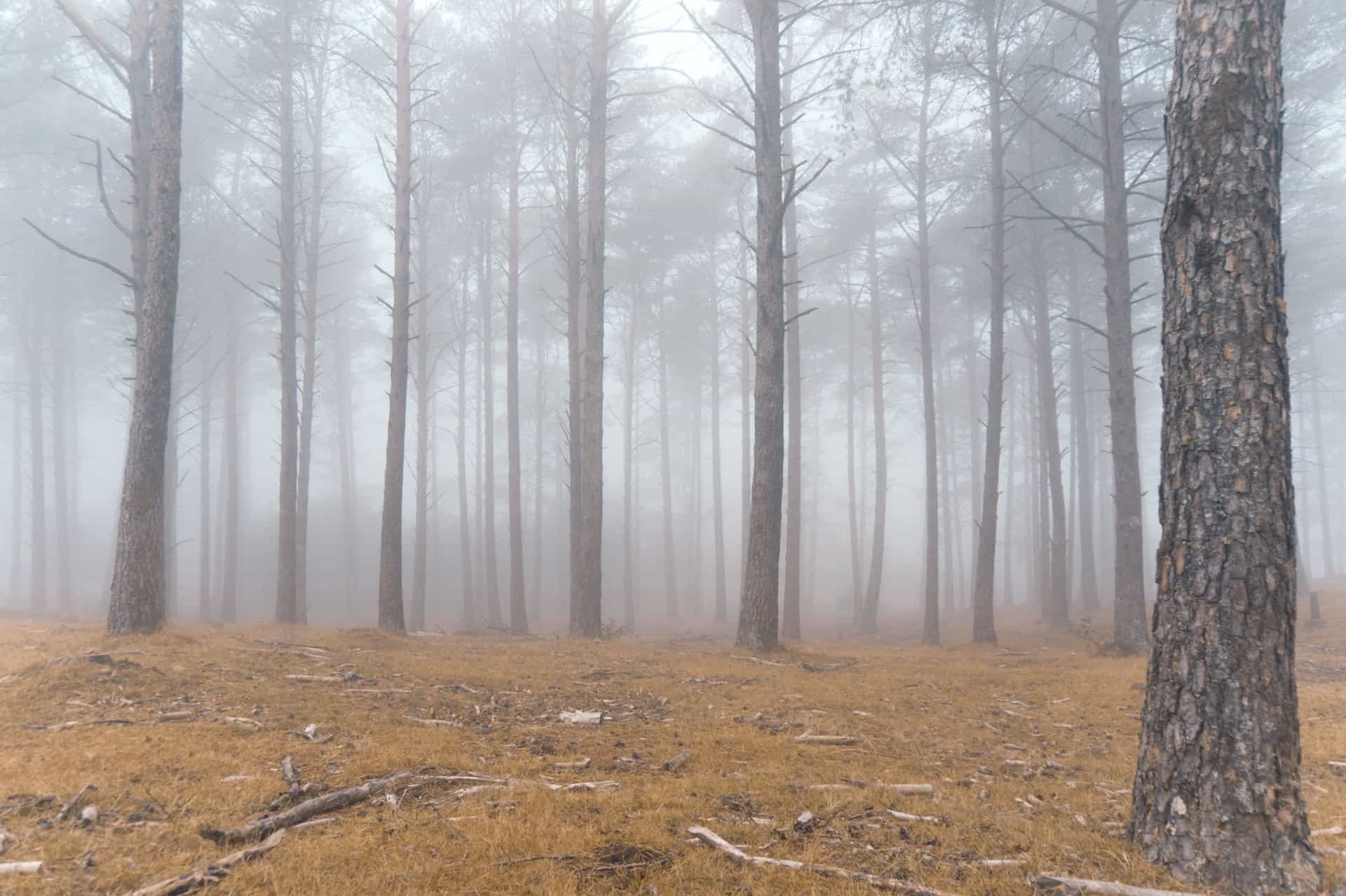
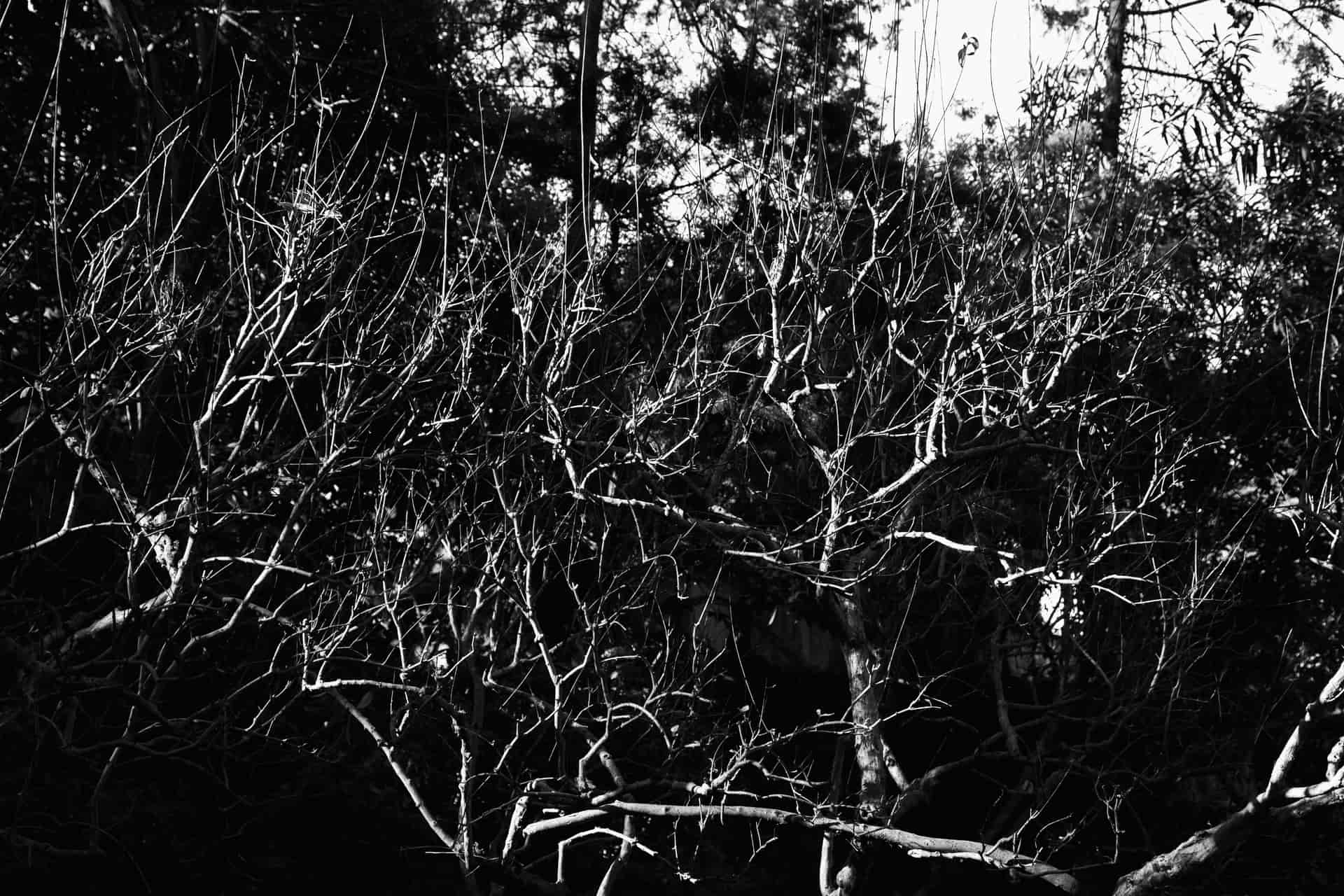
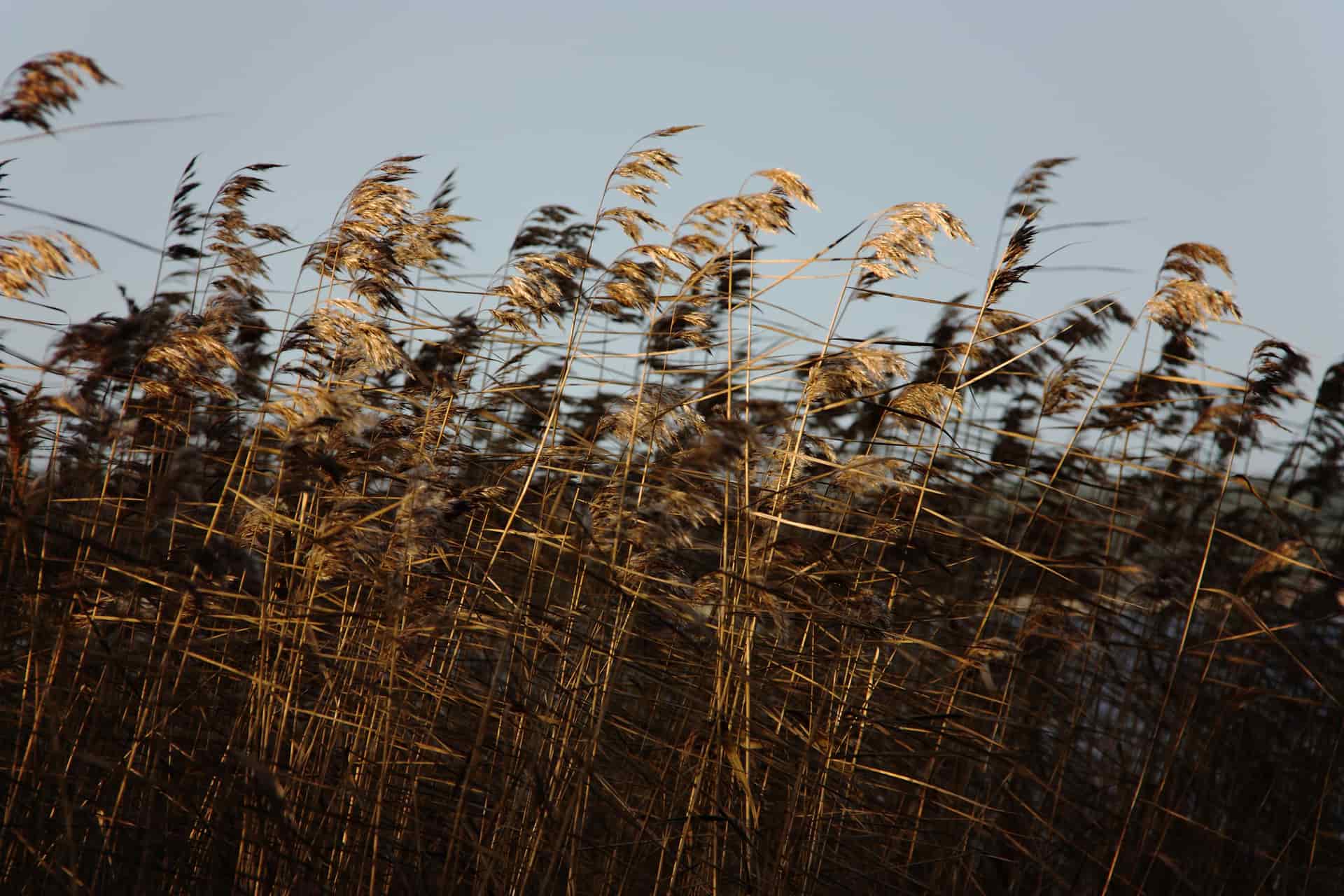
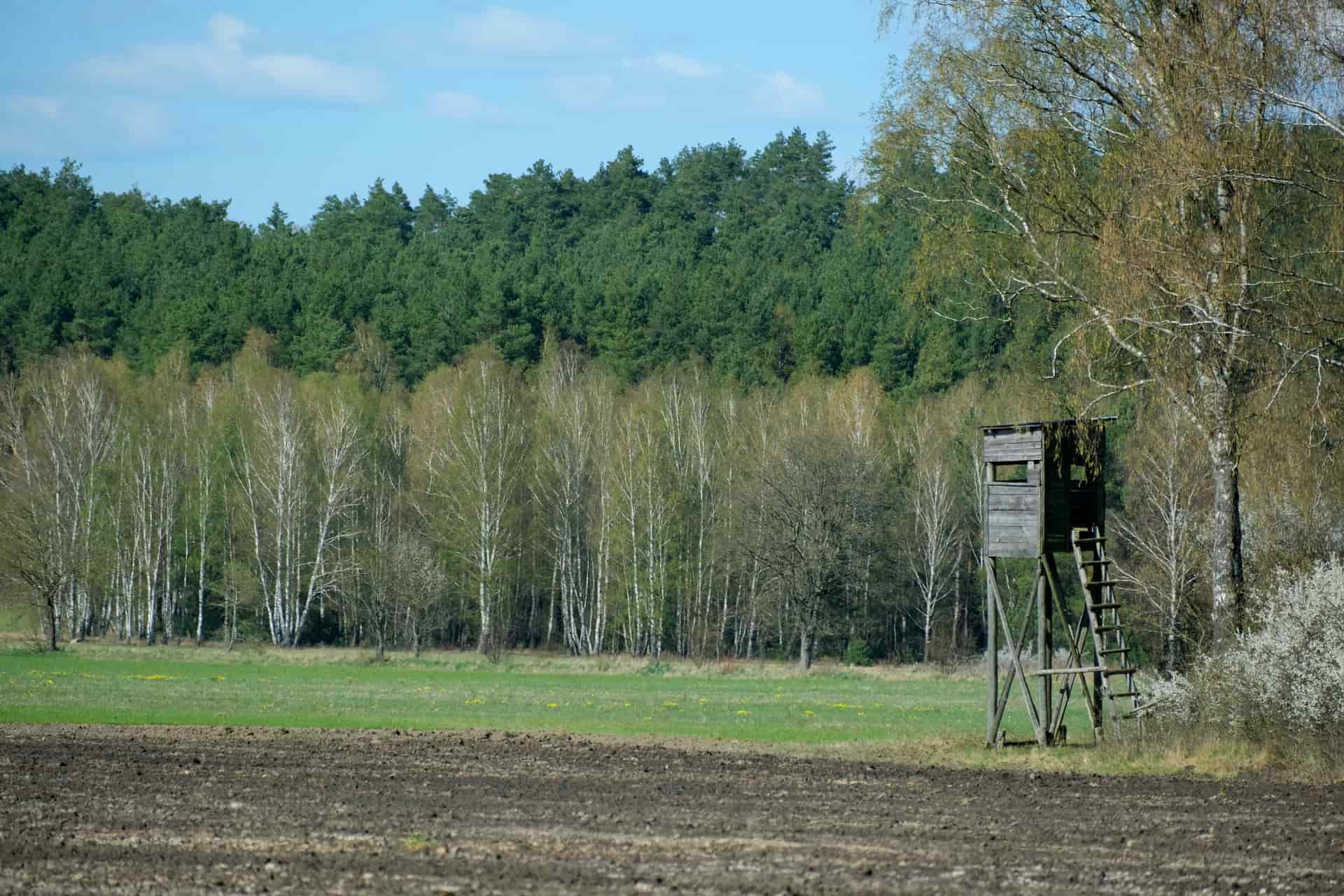
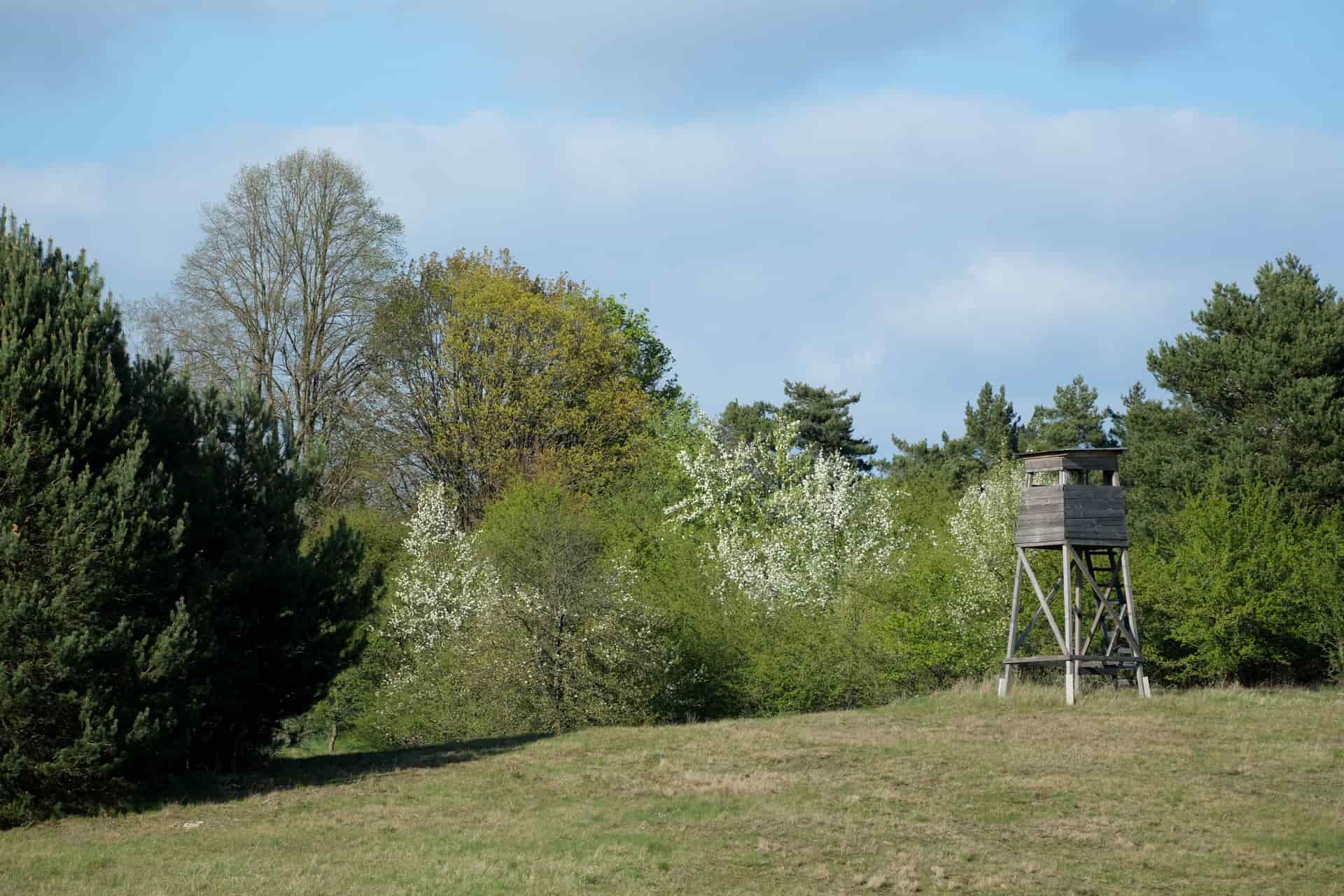
Natural cover. Whether you’re in a blind that needs brushing inor on the ground against a wide tree, tucking into and adding real vegetation does more to hide you than any garment. A deer reads a human-shaped lump against the sky; it ignores a shape that blends into the brush line it already trusts. Camo is the finishing layer on top of good positioning — not a substitute for it.
Frequently asked questions
Can deer see blaze orange?
Not the way you do. Deer are dichromats — their eyes are tuned to blue and green wavelengths and poor at reds and oranges, so blaze orange appears as a muted, grayish tone rather than a bright warning color. That's why hunter-orange laws keep you visible to other people while doing little to blow your cover to deer. Movement and a solid outline give you away far more than color.
Does the camo pattern really matter?
Less than the marketing suggests. Deer key on movement and outline, not photorealistic detail. Matching the general tone and contrast of your terrain helps break up your shape, but a quiet fabric you can move in without noise, plus tucking into real cover, matters more than which brand's leaves are printed on it.
What's more important, camo or scent control?
For most whitetail hunting, scent control — a deer's nose beats its eyes. Camo helps you break your outline once you're in position, but if the wind carries your scent to a deer, no pattern saves you. Play the wind first, then worry about concealment.
Do I need expensive camo to hunt effectively?
No. The features worth paying for are quiet fabric and enough warmth to sit still, not pattern licensing. A mid-priced quiet jacket in a terrain-appropriate pattern, combined with good positioning and natural cover, out-conceals expensive gear worn carelessly.
Sources
- A Review of Cervidae Visual Ecology (Newman & D'Angelo, Animals, 2024) — Peer-reviewed review: deer are dichromats — sensitive to short/blue wavelengths, poor at red/orange, which is why blaze orange reads as muted to them (accessed July 22, 2026)
- Electrophysiological measurements of spectral mechanisms in the retinas of white-tailed and fallow deer (Jacobs et al., 1994) — Foundational study measuring whitetail cone sensitivities (~450-460 nm blue and ~537 nm) — the retinal basis for deer color vision (accessed July 22, 2026)
- Blaze Orange Laws (Texas Parks & Wildlife Department) — Texas requirement for 400 sq in of hunter orange plus orange headgear on public land during firearm seasons (accessed July 22, 2026)