What each brand actually claims
ScentLok: activated carbon, stated plainly
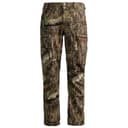
ScentLok’s mechanism is adsorption. Activated carbon in the garment lining has an enormous internal surface area, and odor molecules stick to it rather than passing through. The company publishes the two facts that follow from that mechanism, and both matter to a buyer: the carbon fills up, and it is reactivated with heat— a cycle in a household dryer drives the adsorbed compounds back off so the garment works again. That is upkeep, not a defect, but it is upkeep you have to actually do. A carbon suit that has never seen a dryer after six sits is a jacket.
ScentBlocker: odor control plus a quiet fabric
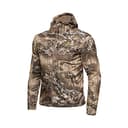
ScentBlocker’s Shield Series uses its own odor-control technology, and the listing for the Silentec jacket does not break the chemistry down the way ScentLok does — so we are not going to characterize it beyond “odor adsorption/control,” which is what the spec table above says. What ScentBlocker does publish, and what is genuinely differentiating, is the Silentec face fabric: a very quiet shell designed to stay silent when you come to full draw. For a bowhunter that is not a secondary feature. The deer that hears your sleeve at ten yards is gone before the arrow leaves, and no amount of odor control fixes that.
The five decisions that actually separate them
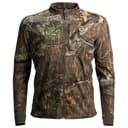
- Noise.ScentBlocker’s Silentec is the quieter of the two by design and says so. ScentLok’s Savanna Aero is a lightweight breathable cut aimed at early-to-mid season, not a quiet-first build. If you shoot a bow at close range, this is the deciding spec.
- Mechanism transparency.ScentLok tells you it is carbon, that it saturates, and that heat reactivates it. That is more information than most of this category gives you, and it is a point in ScentLok’s favor even though it sounds like a limitation.
- Upkeep. Carbon needs reactivation cycles. Plan for the dryer time, and plan to store the garment sealed between hunts, or it adsorbs your garage instead of your body odor on the walk to the truck.
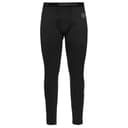
- Coverage.Odor sheds from your whole body. A carbon jacket over ordinary pants leaks below the waist, which is why the Savanna pants are on this list — if you buy into carbon, buy the suit or accept you have half-done it.
- Seasonal fit.Both flagship jackets here are lightweight-to-midweight rather than late-season warm, and neither publishes an insulation weight. For a January sit you are layering underneath regardless — see base layers and how to layer.
The cheapest sensible way to test either brand
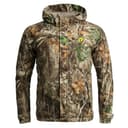
If you want to find out whether scent-control clothing changes anything for you, do not start with a jacket. Start with a carbon base layer. It sits against your skin, which is where the odor is produced, so per dollar it is the highest-leverage piece in the system — and the ScentLok BaseSlayers doubles as a midweight fleece base you would want anyway on a cold sit. The second-cheapest route is the ScentBlocker Drencher: a light water-resistant shell with odor control that earns its place on wet days regardless of what you conclude about scent technology. And staying dry is quietly part of scent control, because wet clothing holds and spreads odor — which is also why whether rain washes away scent is a more complicated question than it sounds.
What neither brand can do
A whitetail’s nose is the sense that decides most encounters — National Deer Association and University of Georgia researchers describe its acuity in detail — and it is not defeated by fabric. Three honest limits apply to both brands equally:
Your breath is not covered. You exhale continuously and no jacket addresses it. That is the gap discussed in keeping your breath from spooking deer, and it is a real one.
The wind still runs the hunt.Penn State’s Deer-Forest Study found with GPS collars that deer — bucks especially — move more, not less, as daytime wind increases, so windy days are hunting days. What changes is where you can sit. A carbon suit does not let you hunt a bad wind; it buys you a margin on a marginal one. The tactical version of this is in hunting a headwind and beating a swirling wind, and in a blind specifically, scent control in a ground blind— where your scent concentrates and then leaves through the windows in a plume.
Clothing cannot undo a bad routine.Washing in household detergent, dressing at home, standing by the truck exhaust, then putting a carbon jacket on top is the sequence that makes people conclude scent control does not work. It is the routine, not the jacket, that failed — the common versions are catalogued in scent control mistakes, and the free fixes are in how to wash hunting clothes and the scent control checklist.
Clothing, spray or ozone?
Scent-control clothing is one of three approaches, and they are not interchangeable. Clothing adsorbs continuously while you wear it. Sprays treat your skin, gear and boots right before a sit and cost a fraction as much. Ozone machines treat your clothes in storage or, in field units, the air around you. If you have not decided which category your money belongs in, read carbon suit vs scent spray and ozone vs carbon before this page, then spray vs ozone if you are weighing the two cheaper options against each other. For an early-season hunter sweating through every sit, the routine covered in early-season scent control will do more than any garment on this page.