Three sequences, and nothing else
The blind-calling sequence
Two or three short grunts, then ten minutes of silence and eyes downwind. This is what you do when nothing is in sight, and it is the sequence the research supports best. Space the bouts 20 to 30 minutes apart. If a bout produces nothing three times running, the problem is location rather than technique — come back to funnels and pinch points and move the blind.
The stopper
One short grunt, once, at a buck already walking. The goal is a stopped deer inside your arc, not a deer you turn around. The classic error is grunting a second time once he stops: he has located the sound and found no deer there, and the second call is what makes him leave.
The tending sequence, rut only
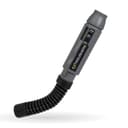
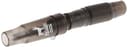
A short run of tending grunts with a doe bleat mixed in, played as a buck following a doe. This is the sequence that needs a second call — the bleat can in your other hand — which is why our calling picks include one of each rather than two grunt tubes. Use it in the few days either side of peak breeding and nowhere else; the second rut gets a quieter version of the same thing.
What the research actually says
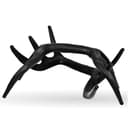
The useful numbers here come from Dr. Mickey Hellickson’s three-year South Texas rattling study, reported by the National Deer Association. Taken together they argue for less calling, earlier in the day, louder, with your attention downwind:
A 65 percent overall response rate— calling works far more often than hunters assume. 54 percent of responses between 7:30 and 10:30 a.m. against 16 percent at midday. Loud sequences drew nearly three times the responses of quiet ones. 60 percent of bucks approached from downwind, which is the single most actionable finding on this page. The ground-level rattler missed 57 percent of the buck movements visible from a 30-foot tower, so most responses go unseen from the ground. And three consecutive 10-minute sequences returned 44, 34 and 22 percent of responses — diminishing returns, fast.
One honest caveat before you treat those as laws: that study is rattling in South Texas, not grunting on your farm. The mechanism travels — a buck investigating a sound circles downwind to confirm it — and the exact percentages probably do not. We cite it because it is the best published work available, not because it is a promise.
Why downwind decides everything from a blind
A buck that hears a grunt does not walk to it. He loops to get your wind on the way. That is the part of the National Deer Association’s material on deer senses nobody wants to hear: the nose is the sense that beats you, and you have just told him roughly where to point it.
In a stand you can shift to cover that arc. In a blind you cannot, so it has to be built in. Three practical consequences:
1. Set the blind so your downwind side is open and shootable. If the downwind arc is a wall of your own blind, calling is just advertising.
2. Call with the thermals, not against them.The NDA’s guidance on thermals is to hunt high in the mornings and low in the evenings, because that is where your scent is notgoing. Morning is also the best calling window, which means the two line up neatly — see how to hunt thermals.
3. Do your scent work before you call.You are inviting an animal to a scent check. A clean entry route, clean boots and an honest read of the wind do more for your calling than any call in the bag — scent control in a ground blind is the companion to this page.
Last rule, and it is the one that separates hunters who kill called-in bucks from hunters who have stories: stop calling once he is coming. Every extra sound is another chance to be located. Put the call down, get your hands on the bow or the gun, and let him walk into the arc you set up for him.