Scent Control
A deer's nose is the hardest sense to beat. What actually reduces your scent, what's marketing, and how to hunt the wind so it matters less.
A whitetail’s nose is the sense that beats hunters far more often than its eyes or ears. A deer’s sense of smell is estimated to be hundreds of times keener than a human’s, and it reads the wind the way you read a room. That is the honest starting point of any scent-control conversation: you are not going to out-technology a deer’s nose. What you can do is reduce the scent you shed and, far more importantly, keep it from reaching the deer in the first place.
So this hub leads with the uncomfortable truth the marketing skips: no spray, suit or ozone generator eliminates human odor completely, and the independent evidence for total scent elimination is thin. Scent products are insurance that stacks on top of the wind, not a replacement for hunting it. We’ll show you what each category actually does, rank the sprays honestly, and — because it’s the part that wins hunts — teach you the wind-and-thermals game that makes your scent a non-issue.
Everything in Scent Control
Best Scent Eliminator Sprays
Five scent sprays compared honestly — including the caveat none of them advertise: no spray beats a bad wind.
Our top pick
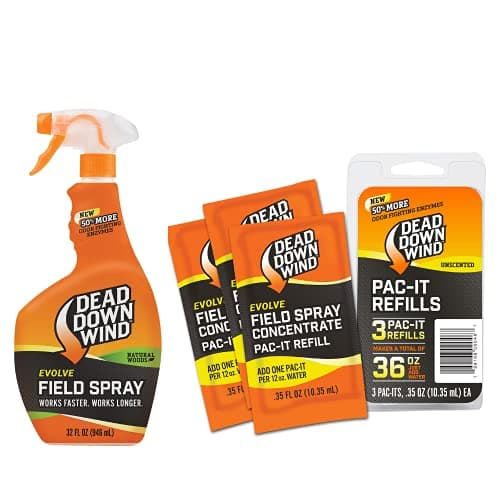
Dead Down Wind Evolve 3D+ Field Spray (12 oz + Refill)
How to Beat a Deer's Nose
The wind-and-thermals playbook that matters more than any spray — how deer smell you, and how to stay downwind of it.
Does Scent Control Actually Work?
The honest, evidence-first answer on sprays, carbon suits and ozone — what the testing shows, and what it can't.
Best Ozone Scent Machines
Ozone generators for treating stored gear, compared honestly — what they do, what they don't, and the safety rules that actually matter.
Our top pick
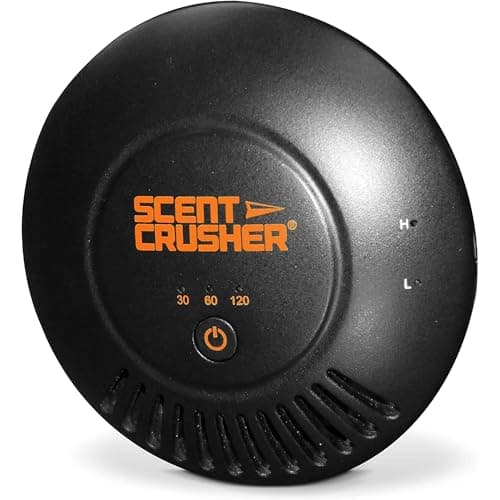
Scent Crusher Halo Series Room Clean Ozone Generator
$24.75 · View on AmazonPrice as of October 24, 2026. #ad How we’re funded
Best Scent-Free Soap for Hunting
Scent control starts in the shower. Enzyme soaps, body washes and field wipes ranked for the cheapest, highest-impact odor buy there is.
Our top pick
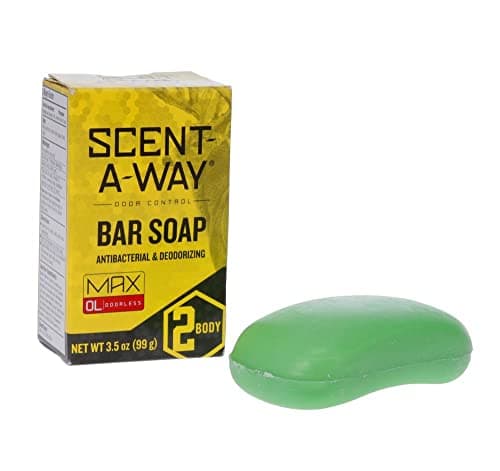
Hunters Specialties Scent-A-Way MAX Bar Body Soap (3.5 oz)
$4.99 · View on AmazonPrice as of October 24, 2026. #ad How we’re funded
How to Store Hunting Clothes Scent-Free
Washing, drying and storing your hunting clothes so they don't pick up the household, gas-station and closet odors that give you away.
Ozone vs Carbon Scent Control
The two big scent-control technologies compared on how they work, what the evidence shows, and which is worth your money.
Best Scent Control Clothing
Activated-carbon jackets, pants and base layers compared honestly — what carbon clothing does, what it can't, and which pieces are worth it.
Our top pick
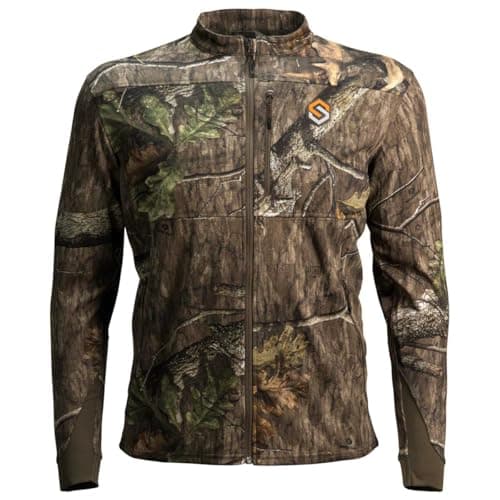
ScentLok Savanna Aero Hunting Jacket
Best Scent Elimination Kit
A complete starter kit for beating a deer's nose — the soap, spray, wipes and ozone that actually stack, in the order that matters, with live prices.
Our top pick
Hunters Specialties Scent-A-Way MAX Bar Body Soap (3.5 oz)
$4.99 · View on AmazonPrice as of October 24, 2026. #ad How we’re funded
Scent Control Checklist
A step-by-step pre-hunt routine — shower, dress, store, walk in — that puts the highest-impact scent habits in the right order.
Scent Control for Elevated Stands
Being up a tree lifts your scent, but thermals still carry it — how to play wind and rising or falling air when you hunt from a stand or saddle.
Best Wind Checkers
Powder puffers and floating milkweed that show the swirling, thermal-driven ground wind a wet finger misses — the cheapest scent tool that matters.
Our top pick
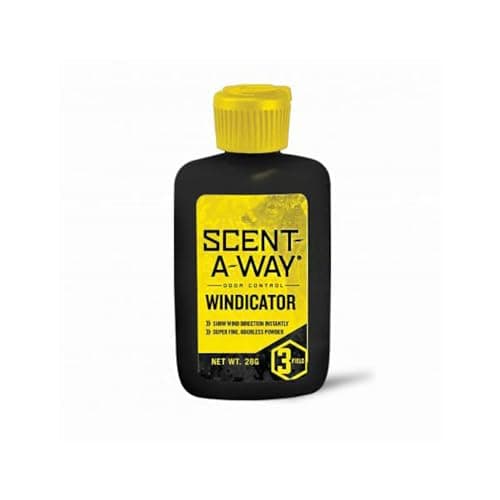
Hunters Specialties Scent-A-Way Windicator
Scent Elimination vs Cover Scent
Remove your odor or bury it under another smell? The two scent-control philosophies compared on how they work and what the evidence shows.
How to Check the Wind Hunting
Reading real wind and thermals at your setup and along your access — the highest-impact, free scent-control skill, step by step.
How to Use Milkweed for Hunting
Why saddle and stand hunters float milkweed to read the wind downrange — how to collect it, carry it, and read what it tells you.
Scent Control vs Hunting the Wind
Products or positioning? Which actually keeps you from being smelled — an honest look at where your scent-control effort really pays off.
How to Control Boot Scent
The scent trail you leave on the ground is the one most hunters ignore — rubber boots, clean soles and a route that keeps deer off your track.
Scent Control Mistakes
The common errors that undo a scent routine — spraying over dirty skin, ignoring the wind, storing clothes wrong — and the simple fixes.
Best Scent-Free Laundry Detergent
Wash the perfume and UV brighteners out of your camo — scent-free hunting detergents and pods ranked, the cheapest habit that actually cuts your odor.
Our top pick
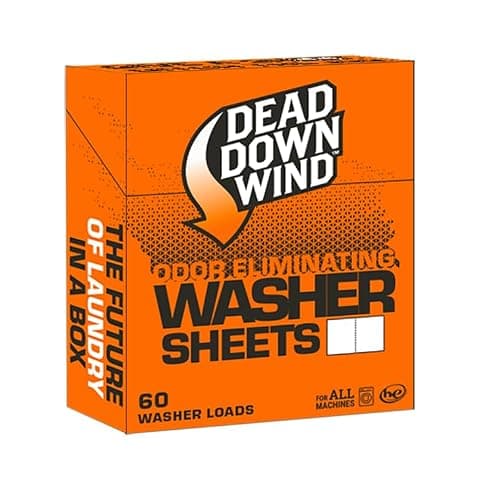
Dead Down Wind Unscented Laundry Detergent Sheets (60 Loads)
Best Scent-Free Deodorant for Hunting
Your everyday deodorant is a cologne cloud to a deer. Unscented hunting antiperspirants and natural sticks ranked — a cheap, high-impact swap.
Our top pick
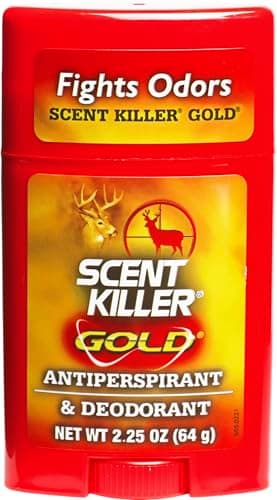
Wildlife Research Center Scent Killer Gold Antiperspirant Deodorant
$5.37 · View on AmazonPrice as of October 24, 2026. #ad How we’re funded
Scent Spray vs Ozone
Wet down your gear with a spray or treat it with ozone? The two active scent-control methods compared on how they work, cost and what evidence supports each.
How to Hunt Thermals
The vertical air currents that carry your scent uphill in the morning and downhill at night — how to read thermals and set up so they don't betray you.
How Far Can a Deer Smell You?
The honest answer on a whitetail's nose — how far your scent carries, what affects it, and why the number matters less than which way the wind blows.
How to Wash Hunting Clothes
A step-by-step routine — detergent, machine prep, drying and storage — that strips household odor from your camo and keeps it scent-free until you hunt.
Best Scent-Control Field Wipes
Wipe the sweat and odor off at the tree — scent-control field wipes and wash towels ranked, the mobile hunter's shower for the odor a shower can't reach anymore.
Our top pick
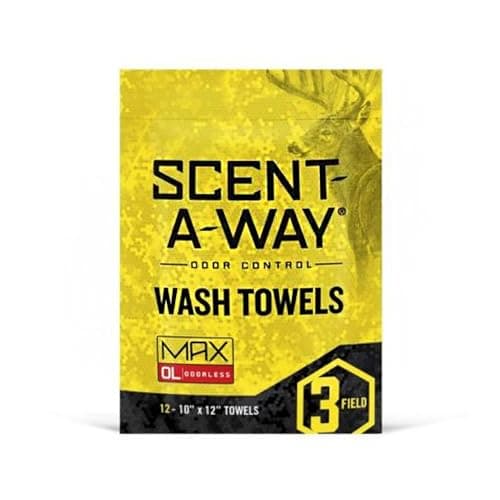
Hunters Specialties Scent-A-Way MAX Odorless Wash Towels (12-Pack)
Carbon Suit vs Scent Spray
Adsorb your odor in a carbon suit or neutralize it with a spray? The two scent-control approaches compared on how they work, cost and what the evidence shows.
How to Use a Cover Scent
Earth, pine and acorn cover scents can blend your odor into the background — how to use them without overdoing it, and why they never beat the wind.
Scent Control on a Budget
You don't need a carbon suit to beat a nose — the cheap, high-impact scent habits (wind, a clean body, rubber boots) that do most of the work for almost nothing.
How Long Does Human Scent Last?
The scent you leave on the ground and brush can linger for hours or days — what affects it, and how to keep your entry and setup from poisoning a spot.
Best Cover Scents for Hunting
Earth, pine and wafer cover scents that blend your odor into the background — ranked and matched to terrain, with the honest note that none of them beat the wind.
Our top pick
Hunters Specialties Scent-A-Way MAX Fresh Earth Spray
How to Hunt a Crosswind
A crosswind carries your scent past a deer instead of to it — how to use a quartering wind to hunt trails and food edges you couldn't with the wind at your back.
Scent Control for Bowhunting
A bow shot means a deer inside 30 yards, where your scent margin is thinnest — the wind, clean-body and stand-setup discipline that close-range hunting demands.
Does Rain Wash Away Your Scent?
Rain does knock down and wash away some ground scent — how much it really helps, why it's not a free pass, and how to use wet weather to hunt closer.
Best Hunting Base Layers
The layer against your skin decides if you last the sit — merino and synthetic base layers ranked on warmth, moisture-wicking and the odor resistance that helps beat a nose.
Best Scent-Free Dryer Sheets
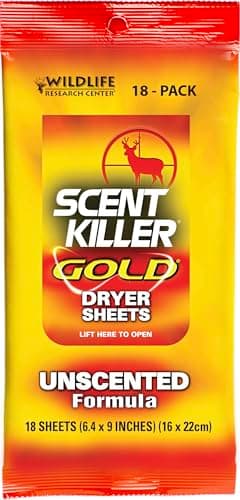
Don't undo a scent-free wash in the dryer — unscented hunting dryer sheets ranked, the cheap finishing step that keeps perfume and static off your camo.
Our top pick
Wildlife Research Center Scent Killer Gold Dryer Sheets (Unscented)
$10.69 · View on AmazonPrice as of October 24, 2026. #ad How we’re funded
Merino vs Synthetic Base Layers
Odor-resistant wool or cheaper, tougher synthetic against your skin? Warmth, moisture, smell and durability compared to pick the right hunting base layer.
How to Hunt a Headwind
When the wind blows from the deer to you, your scent streams safely behind — how to use a headwind to hunt into bedding and close the distance undetected.
Scent Control in a Ground Blind
An enclosed blind traps and concentrates your scent, then leaks it out the windows — how to vent it, contain it, and still play the wind from inside the walls.
How to Keep Your Breath From Spooking Deer
Your breath is a constant plume of human scent a nose can catch — what actually helps (and what's a gimmick), from mints and masks to just playing the wind.
How to Play the Wind on Public Land
On pressured public ground you can't swing a stand for the wind on a whim — how to plan access, entry and setups around the forecast so deer never smell you.
How to Beat Swirling Wind
Swirling, unpredictable wind in bottoms and timber busts more hunters than any nose — how to read it, set up for it, and know when to just stay home.
Scent Control for Early Season
Warm, sweaty early-season sits are the hardest scent test of the year — how to cut odor when you're overheating and deer are downwind of a hot hunter.
Wind Direction vs Thermals
Prevailing wind and rising-or-falling thermals often disagree — how to tell which one is carrying your scent, and which to trust when they conflict.
ScentLok vs ScentBlocker
The two biggest names in scent-control clothing compared on what they actually claim, what the published testing supports, how quiet each one is, and the cheapest way in.
Our top pick
ScentLok Savanna Aero Hunting Jacket
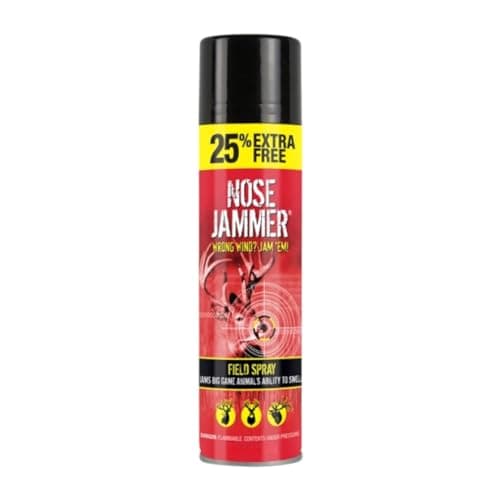
Does Nose Jammer Work?
Nose Jammer does not try to remove your scent — it tries to overwhelm a deer's nose. What the maker actually claims, what nobody has published, and whether the bottle is worth $13.
Our top pick
Nose Jammer Field Spray (6 oz)
$12.99 · View on AmazonPrice as of October 24, 2026. #ad How we’re funded
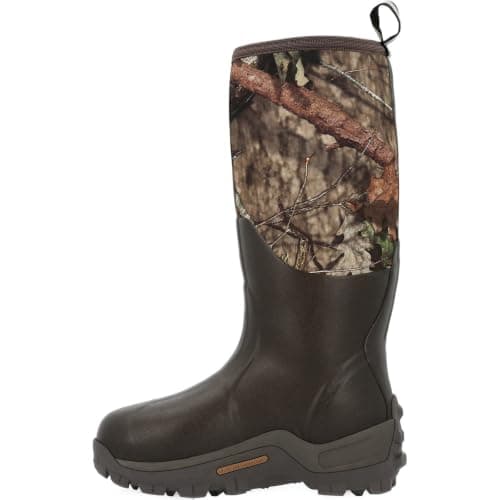
Best Rubber Hunting Boots
Your boots are the only scent you leave where a deer's nose already is — the ground. Rubber and neoprene picks ranked for containment, warmth and fit.
Our top pick
Muck Boot Woody Max Rubber Hunting Boot






The scent-control hierarchy (in order that matters)
Spend your effort where it pays. In descending order of impact: 1) hunt the wind and thermals so your scent blows away from where deer travel; 2) keep a clean routine— scent-free wash, store hunting clothes away from cooking and gas, dress at the truck; 3) use elimination products as a supplement on clothing, boots and gear; and only then 4) consider carbon suits or ozone, which help at the margins but cannot fix a bad wind. Most hunters invert this list and wonder why the expensive spray didn’t save them.
Sprays, cover scents and ozone — what each does
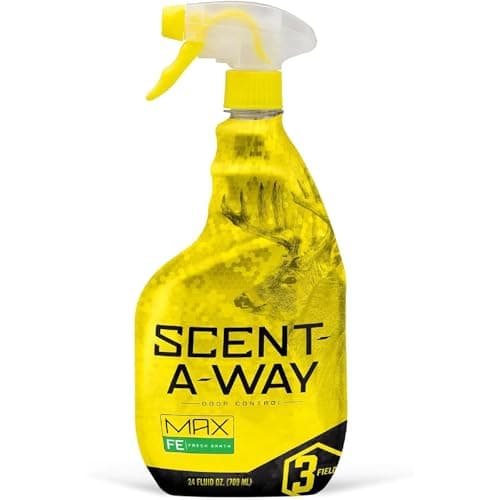
Eliminator spraysuse enzymes or odor-binding agents to reduce the smell you shed; they’re cheap, worth using, and limited. Cover and masking scentstry to bury your odor under a stronger natural smell — a different theory, unprovable but harmless to try. Ozone machines oxidize odor molecules and have the most lab support of the bunch, but ozone disperses in moving air, so a breeze that helps a deer smell you also blows your ozone away. None of it beats being downwind.
The mistake buyers make
Treating a product as permission to ignore the wind. The most expensive carbon suit on the market will not save a setup where the wind carries your scent straight to a bedding area. Buy the sprays, keep the clean routine, and then hunt the wind like the products don’t exist. That order is the whole game.
Frequently asked questions
Does scent control spray actually work?
Sprays measurably reduce the odor you shed, and they're cheap enough to be worth using. But no spray eliminates human scent, and there's little independent field data proving a spray alone improves your kill rate. Treat sprays as a supplement to hunting the wind, never a substitute for it.
What's the single most important thing for scent control?
Playing the wind. Keeping your scent physically downwind of where you expect deer to be beats every product on the market. Everything else — sprays, clean clothes, carbon, ozone — reduces the risk when the wind isn't perfect, but nothing replaces a good wind.
Is ozone or carbon clothing worth it?
Both help at the margins. Carbon-lined clothing adsorbs a large share of odor compounds in testing, and ozone oxidizes odor molecules. But carbon saturates and needs reactivation, and ozone blows away in the same wind that carries your scent — so neither fixes a bad setup. They're a top-up on a solid wind-first approach, not a shortcut around it.
How should I store and wash my hunting clothes?
Wash in a scent-free (no-UV-brightener) detergent, dry away from household smells, and store hunting clothes in a sealed container away from cooking, smoke and gas — not in the closet or the truck cab. Dress at the truck so you don't pick up driveway and gas-station odors on the walk in.
Sources
- No, Deer Aren't Color Blind: Understanding Deer Senses (National Deer Association, with Dr. Gino D'Angelo, UGA) — National Deer Association / University of Georgia researcher on how deer use sight, hearing and smell — the acuity of the whitetail nose (accessed July 22, 2026)
- Ozone, Carbon, and Cover Scents: Can You Beat a Whitetail's Nose? (Durkin, MeatEater) — Reporting on scent-control efficacy citing the ScentLok/Rutgers testing — carbon adsorbs most odor, but total scent elimination is not possible (accessed July 22, 2026)
- To Beat a Buck's Nose, Remember Thermals (National Deer Association) — How deer exploit wind and rising/falling thermals to detect scent — hunt high in mornings, low in evenings (accessed July 22, 2026)