What NOT to wear in a blind
Three common mistakes, all of which cost hunters more sits than a wrong camo pattern ever has.
A hard shell as your outer layer.Most rain shells and nylon-faced jackets are loud. In a blind you are within feet of a fabric wall, and the window you shoot through is open — a sleeve scraping at full draw carries. If it is wet, you want a shell that is quiet as well as dry; our camo rain gear picks flag which ones are actually quiet, and hunting in the rain covers the rest of the wet-sit routine.
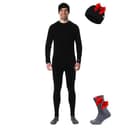
Your warm layers on the walk in. Sweat is the whole problem. Damp base layers conduct heat away from you for the rest of the sit, and wet clothing holds and spreads odor. Walk in cold, in your base and a single light layer, and put the insulation on once you are in the blind and settled. This one habit is worth more than any single purchase on this page.
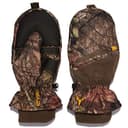
Bulk you cannot shoot in.A blind rewards insulation because you are not climbing, but a puffy sleeve or a thick glove changes your draw and your trigger feel. Practice at least once in the exact kit you will hunt in — including the mittens — before opening morning, especially if you shoot a bow from a seated position.
A temperature guide for a motionless sit
Treat this as a starting point, not a rule — wind, humidity and how cold you personally run all move it. All of these assume you are sitting still inside a blind with the windows cracked, which is a colder situation than the same temperature outside while walking.
- 60°F and up.Base layer or a light long sleeve and pants. The real risks are sweat and insects, not cold — hunting in hot weather covers the early-season version of this problem, where your scent is the limiting factor rather than your comfort.
- 45-60°F. Base layer plus a light fleece mid-layer. Bring a packable insulated layer for the last hour of light, when the temperature drops fastest.
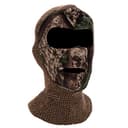
- 30-45°F.The layering sweet spot: merino base, fleece or wool mid, quiet insulated outer. Add the face mask and a seat cushion — cold transfers through a chair faster than most hunters expect.
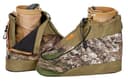
- 15-30°F. Everything above, plus mittens, boot insulators and a blind floor mat so your feet are not on frozen ground. A safe heater becomes genuinely useful here rather than a luxury.
- Below 15°F. Add heated gear or chemical warmers and accept that your sit has a time limit. The honest guidance for this range is in how to stay warm in a ground blind, and the late-season tactics that make it worth enduring are in hunting late-season deer.
Scent, not pattern, is the clothing decision that matters
A blind does your concealment work. What it does not do is hide your smell — if anything it concentrates it and then releases it through the windows in a plume. The National Deer Association and University of Georgia researchers describe the whitetail nose as the sense that decides most encounters, which is why the clothing question that actually matters in a blind is how your clothes are stored and washed, not what is printed on them. Our guide to storing hunting clothes scent-free and the scent control in a ground blind guide cover the routine; the short version is wash in scent-free detergent, store sealed, dress at the truck or in the blind, and pick your blind so the wind is in your face.
Pattern comes last. Peer-reviewed work on cervid vision finds deer are dichromats, sensitive to short blue wavelengths and poor at the red and orange end — they read movement and outline, not the detail of a leaf print. Inside a dark blind, your outline is already broken. That is why camo inside a ground blind is largely optional and why the Mossy Oak vs Realtree argument matters far less here than it does on an open field edge. Save the pattern decision for the season you are hunting and the terrain you walk through to get there.