Where the two brands actually differ
Published specs: Tethrd tells you, Trophyline largely does not
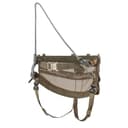
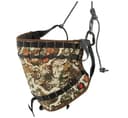
This is the clearest difference, and it is a finding rather than a gap in our research. Tethrd publishes the Phantom XP’s weight (1 lb 12 oz, Regular), a 300 lb rated capacity, the bridge system (Micro Quad Lock Utilibridge) and the comfort panel’s 3.5 inches of expansion. Trophyline does not publish a weight, a rated capacity or a bridge spec for the Specter on the listing we read — which is why those rows in its table below say “Not published.” For a product that holds you twenty feet off the ground, a published rated capacity is not a marketing detail. If you are a larger hunter or you carry heavy gear, that alone may decide this for you.
Comfort: a mechanism versus a design philosophy
Tethrd’s answer to long-sit comfort is mechanical and specific: a panel that retracts for a compact carry and lets out 3.5 inches with a lace-lock tensioner when you want to settle in, plus independent top and bottom bridge adjustment. Trophyline’s answer is the whole seat — it is built around marathon sits rather than around packability. Both approaches work; they suit different hunters. If you hunt mobile and cover ground, the retracting panel is the more useful idea. If you hang one tree and sit until dark, the comfort-first build is.
Weight: the only spec you can compare directly
At a published 1 lb 12 oz, the Phantom XP is light enough that the saddle stops being the thing you notice in your pack — your sticks and platform will outweigh it several times over. Trophyline publishes no weight for the Specter, so we will not guess one. If every ounce matters to you because you walk a mile in the dark, the brand that publishes the number is the brand you can plan around.
Fit: check the size chart before anything else
The Phantom XP in the size we linked fits a 28-36 inch waist; larger hunters need the XL. This is the single most common returns reason in the category and it is entirely avoidable. Whichever brand you choose, measure first and buy the size that fits with your late-season layers on, not your summer waist — a saddle you wear over cold-weather layers is a different fit problem than one you try on in August.
Both of them, or neither: the two alternatives
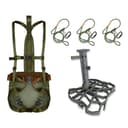
The XOP Complete Tree Saddle Hunting System is in this comparison for a reason that has nothing to do with brand loyalty. It arrives as a matched kit — the Mondo saddle harness, the levelling Edge platform, a carry bag, and the bridge, tether and lineman’s belt that beginners consistently forget to budget for. At a published 9.6 lb for the complete kit it is heavier than a hand-picked ultralight setup, and a veteran would swap some of the parts. For a first setup, a kit whose parts are known to work together beats a pile of separately bought components that may not.
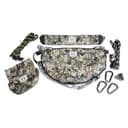
The Hawk Helium Hammock Saddle is the try-the-category pick: a light, packable hammock-style saddle from an established treestand brand, usually at the lowest price of the four. Hawk publishes neither a weight nor a rated capacity for it on the listing we read, so it carries the same caveat as the Specter. But if you are genuinely unsure whether saddle hunting suits you — and plenty of hunters try it and go back to a climbing stand or a ladder stand— spending less to find out is a reasonable plan.
What neither brand can sell you
Comfort in a saddle comes mostly from the bridge length and how you dial it, not from the badge on the panel. Every experienced saddle hunter will tell you the same thing: spend a few sessions three feet off the ground adjusting the bridge before you ever hunt from it. A premium saddle set up badly is less comfortable than a budget saddle set up right. Our guides to setting up a tree saddle and getting comfortable in a saddle are the free half of this purchase.
The other thing neither brand can sell you is the tree. Saddle hunting depends on picking a trunk with the right diameter, lean and cover, and on having a plan for choosing that tree in the dark. Hunters who struggle with saddles usually have a tree-selection problem, not a saddle problem.
Safety is not a brand feature
A saddle is a fall-arrest system you sit in, and the statistics are unambiguous. The Tree Stand Safety Awareness Foundation cites a ten-state study in which 99 percent of fall victims were not attached to the tree and 86 percent wore no harness at all. Wisconsin’s DNR puts the figure that roughly one in four bowhunters have fallen or nearly fallen. Neither brand changes that arithmetic: you stay connected from the ground up and back down, with a lineman’s belt on the climb and a tether while you hunt, every time. If you only read one more page on this site, make it saddle hunting safety tips or how to descend safely— the descent is where a disproportionate share of accidents happen.