Blind & Brush

Best Saddle Hunting Accessories

A saddle on its own is a seat, not a setup. The add-ons that actually change a sit, in the order they are worth buying — platform, rope, tether, hanger — with live prices and the public-land catch nobody mentions.

By Stephen V.Last updated How we pick

Buy the platform first. The XOP Edge aluminum platform is the accessory that changes a saddle sit more than everything else on this page combined. A saddle without a platform leaves you hanging in the bridge with your feet on bark, which is the single reason most new saddle hunters quit after three sits. Solid footing is what turns a saddle into an all-day setup, and it is the piece a bare saddle purchase does not include.

The budget pick is the Muddy screw-in accessory hook 3-pack — the cheapest thing here that does a real job. Three hooks get your pack, calls and bino harness off the platform and out of your lap, which is both a noise fix and a movement fix. Spend the rest of your money on the rope that keeps you attached while you climb: the SENFU lineman’s rope ships with a prusik and carabiner already rigged, so you can lean back against the trunk and work with both hands free.

One warning that applies to half this category and almost never gets stated. Every bow hanger and gear hook we can verify in this registry is a screw-in, and screw-in hardware is prohibited on a great deal of public land. Saddle hunting is largely a public-land technique, so read the rule for your unit before you buy hooks, and plan on rope-and-strap solutions instead where screw-ins are out. Prices come from the live price layer — check the “as of” stamp under each button.

How this is funded: we earn a commission if you buy through our links, at no extra cost to you. It never changes which product we recommend, and we’ll tell you plainly when we’d skip one. Full disclosure.

Quick picks

Ranked on published specs, concealment fit and value. Select a row to jump to the full write-up. We have not field-tested this gear — here is exactly what we do instead.

#ProductBest forPrice
1
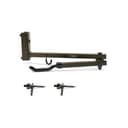
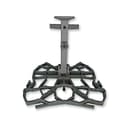
XOP Edge Aluminum Tree Saddle Platform

XOP Edge Aluminum Tree Saddle Platform

A light aluminum platform to stand on while you hunt from a saddle — the piece a bare saddle doesn't include and beginners forget. Solid footing turns a saddle from a hang-there ordeal into an all-day setup.

Best overall accessory
$99.99 · View on Amazon

Price as of November 21, 2026. #ad How we’re funded

2
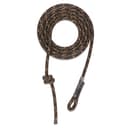
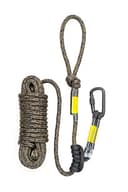
SENFU Lineman's Rope 30ft (Prusik + Carabiner)

SENFU Lineman's Rope 30ft (Prusik + Carabiner)

The best complete kit for the money. A 30-foot lineman's rope that comes with a prusik knot and carabiner already rigged, so you can adjust your distance to the trunk on the fly — exactly what saddle and hang-on hunters want. More adjustable than a plain strap, and priced fairly.

Best climbing-safety add-on
$32.29 · View on Amazon

$39.9919% off

Price as of November 21, 2026. #ad How we’re funded

3
Ape Canyon Outfitters 9.5mm Tree Tether Rope

Ape Canyon Outfitters 9.5mm Tree Tether Rope

A burlier 9.5mm tether for hunters who want a thicker, confidence-inspiring rope to hang from. The extra diameter is easy on the hands and grips knots well — a solid pick if the ultralight ropes feel too thin for comfort.

Best tether upgrade
$26.99 · View on Amazon

Price as of November 21, 2026. #ad How we’re funded

4
HME Lil Better Tree Stand Bow Hanger (w/ Accessory Hook)

HME Lil Better Tree Stand Bow Hanger (w/ Accessory Hook)

The overall pick, and the one that solves the most problems at once. HME's screw-in bow hanger holds your bow within easy reach and includes an accessory hook for your pack, calls or gear. Getting your bow off your lap and onto a hanger is a concealment win: you reach for it with one small, slow motion instead of a lap-clearing scramble.

Best bow hanger (private land)
$10.47 · View on Amazon

$11.6510% off

Price as of November 21, 2026. #ad How we’re funded

5
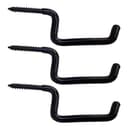
Muddy Screw-In Accessory Hooks (3-Pack)

Muddy Screw-In Accessory Hooks (3-Pack)

The budget pick for hanging the small stuff. A three-pack of Muddy screw-in hooks for your pack, bino harness, calls, thermos and gear — the little things that otherwise end up on the platform or in your lap. Cheap, from a trusted stand brand, and the fastest way to get organized in the tree.

Budget pick: cheapest useful add-on
$4.49 · View on Amazon

$5.9925% off

Price as of November 21, 2026. #ad How we’re funded

6
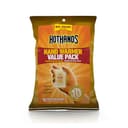
HotHands Hand Warmers (10 Pairs)

HotHands Hand Warmers (10 Pairs)

The disposable standard, and the best value in staying warm: air-activated warmers that go in your gloves, muff or pockets and put out heat for hours. Cheap enough to stash everywhere, and warm hands mean still hands.

Best for hands that hold a rope
$8.97 · View on Amazon

$10.9918% off

Price as of November 21, 2026. #ad How we’re funded

The picks in full

#1Best overall accessorySaddle platform

XOP Edge Aluminum Tree Saddle Platform

A light aluminum platform to stand on while you hunt from a saddle — the piece a bare saddle doesn't include and beginners forget. Solid footing turns a saddle from a hang-there ordeal into an all-day setup.

Strengths

  • Light aluminum platform for a stable stance
  • The missing piece of a saddle system
  • Packable for mobile hunts

Trade-offs

  • Another separate purchase on top of the saddle
  • Takes practice to set at the right height
TypeStanding platform (saddle)
MaterialAluminum
PackableYes
Rated capacityNot published
WeightNot published

The spec that matters. A platform is what makes all-day saddle hunting bearable — without solid footing you're hanging in the harness the whole sit. It's not optional gear, it's part of the system.

Specs read from the product listing, on July 22, 2026. “Not published” means the maker does not state that figure.

#2Best climbing-safety add-onLineman's rope (with prusik)

SENFU Lineman's Rope 30ft (Prusik + Carabiner)

The best complete kit for the money. A 30-foot lineman's rope that comes with a prusik knot and carabiner already rigged, so you can adjust your distance to the trunk on the fly — exactly what saddle and hang-on hunters want. More adjustable than a plain strap, and priced fairly.

Strengths

  • Ships with a prusik and carabiner — adjustable out of the box
  • 30 ft handles fat trunks and lets you rig at ground level
  • Prusik lets you cinch tight or feed slack one-handed as you climb

Trade-offs

  • Off-brand; inspect the stitching and prusik cord each season
  • More rope to manage than a short strap for a quick set
TypeRope + prusik + carabiner
Length30 ft
AdjustableYes (prusik)
Rated capacityNot published

The spec that matters. A prusik-and-carabiner setup is what makes a lineman's rope genuinely useful: you can shorten it to lean back against the tree and free both hands, then feed slack to move up. Learn to tie a prusik yourself so you can re-rig or replace a worn cord in the field.

Specs read from the product listing, on August 5, 2026. “Not published” means the maker does not state that figure.

#3Best tether upgradeSaddle tether rope

Ape Canyon Outfitters 9.5mm Tree Tether Rope

A burlier 9.5mm tether for hunters who want a thicker, confidence-inspiring rope to hang from. The extra diameter is easy on the hands and grips knots well — a solid pick if the ultralight ropes feel too thin for comfort.

Strengths

  • Thicker 9.5mm rope is easy to grip and hitch
  • Purpose-built for saddle tethering
  • Reassuring hand feel for newer saddle hunters

Trade-offs

  • Heavier and bulkier than ultralight tethers
  • Still a tether only — pair with a lineman's rope
TypeTree tether
Diameter9.5 mm
UseHang from tree (saddle)
RatedNot published
LengthNot published

The spec that matters. Rope diameter is a comfort-and-confidence choice, not a safety upgrade past the rating — a thicker tether is easier to hold and hitch, which matters when you're rigging cold-handed in the dark.

Specs read from the product listing, on July 22, 2026. “Not published” means the maker does not state that figure.

#4Best bow hanger (private land)Tree stand bow hanger

HME Lil Better Tree Stand Bow Hanger (w/ Accessory Hook)

The overall pick, and the one that solves the most problems at once. HME's screw-in bow hanger holds your bow within easy reach and includes an accessory hook for your pack, calls or gear. Getting your bow off your lap and onto a hanger is a concealment win: you reach for it with one small, slow motion instead of a lap-clearing scramble.

Check your ground first. This is a screw-in, and its own listing says so. On public land where screw-ins are banned, hang the bow from a short strap and carabiner off your tether instead — it is free and legal everywhere.

Strengths

  • Holds the bow within a slow, quiet arm's reach
  • Includes an accessory hook for pack, calls or gear
  • Trusted HME hardware at a low price

Trade-offs

  • Screw-in style isn't legal on much public land — check rules
  • One bow hanger and one hook; heavy-gear hunters may want more
TypeScrew-in bow hanger
Accessory hooks1 included
MountScrew-in (two mounting screws included)
Legal on public landOften no — check rules

The spec that matters. A bow on a hanger is a concealment tool: instead of a big lap-clearing grab when a deer appears, you lift it off the hook with one slow, small motion. Note screw-in hardware damages trees and is banned on much public land — use strap-on hooks there.

Specs read from the product listing, on August 11, 2026. “Not published” means the maker does not state that figure.

#5Budget pick: cheapest useful add-onScrew-in accessory hooks (3-pack)

Muddy Screw-In Accessory Hooks (3-Pack)

The budget pick for hanging the small stuff. A three-pack of Muddy screw-in hooks for your pack, bino harness, calls, thermos and gear — the little things that otherwise end up on the platform or in your lap. Cheap, from a trusted stand brand, and the fastest way to get organized in the tree.

Strengths

  • Three hooks at a rock-bottom price
  • Keeps pack, calls and gear off the platform and out of your lap
  • From a trusted treestand and blind brand

Trade-offs

  • For gear, not really sized as a primary bow hanger
  • Screw-in — not legal on much public land
TypeScrew-in accessory hooks
Pack3
MountScrew-in
Legal on public landOften no — check rules

The spec that matters. Gear on the floor of a stand or platform is gear you kick, drop or knock — noise a deer hears. Hanging your pack, calls and thermos on hooks within reach keeps the platform clear and your movements small when it matters.

Specs read from the product listing, on August 5, 2026. “Not published” means the maker does not state that figure.

#6Best for hands that hold a ropeDisposable hand warmers

HotHands Hand Warmers (10 Pairs)

The disposable standard, and the best value in staying warm: air-activated warmers that go in your gloves, muff or pockets and put out heat for hours. Cheap enough to stash everywhere, and warm hands mean still hands.

Strengths

  • Hours of heat, no charging or fuel
  • Cheap enough to keep a box in every jacket
  • Slip into gloves, muff, boots or pockets

Trade-offs

  • Single-use — pack out the used ones
  • Take a few minutes to reach full heat
TypeAir-activated disposable
Pack10 pairs
RuntimeNot published
RechargeableNo
UseGloves / muff / pockets

The spec that matters. Warmth is quietly a concealment tool: a cold hunter shivers, rubs and shifts, and that motion is what a deer catches. A pair of cheap warmers in your muff keeps you still through the last, best half hour of light.

Specs read from the product listing, on July 22, 2026. “Not published” means the maker does not state that figure.

What you are actually buying

You are buying time in the tree.

A saddle hunter’s problem is not whether the system works — it does. The problem is that a saddle, a tether and a set of sticks gets you up the tree and then leaves you to solve comfort, gear management and safety with whatever you improvised. Every accessory below exists because a hunter ran out of hands, ran out of blood flow in their legs, or put their bow somewhere it should not have been.

That is a different question from the one best saddle hunting kits answers. A kit decides what you climb with. This page decides whether the fourth hour is bearable, and whether the ten seconds when a deer finally walks in are quiet.

The order to buy in, and why that order is not obvious

1. A platform, before anything else

If you own a saddle and no platform, stop reading and fix that. Standing on a 4-by-5-inch ring of step is survivable for twenty minutes; a real platform lets you stand, shift, turn and shoot. It is also what lets you take weight off the bridge, which is the difference between legs that work when you climb down and legs that do not. How to choose one is covered in how to choose a saddle platform, and the honest registry gap is worth repeating here: the XOP Edge publishes neither a weight nor a rated capacity, and it is not alone in that. Platform makers in this category routinely publish neither figure.

2. The rope that keeps you attached while you climb

A tether holds you once you are set. A lineman’s rope holds you on the way up, which is when the overwhelming majority of tree-stand falls happen — Wisconsin DNR and the Tree Stand Safety Awareness Foundation both put climbing and transitions at the center of their guidance. The SENFU rope above comes with a prusik and carabiner so it is adjustable out of the box: cinch it to lean back and free both hands, feed slack to move up. Learn to tie the knot yourself, because a prusik cord is a wear item — the method is in how to tie a prusik knot.

3. A tether you are not thinking about

Diameter is the spec that changes how a tether feels. The Ape Canyon rope above publishes 9.5 mm, which is thicker than the 8 mm ropes most systems ship with: it is easier on the hands and it feels more substantial when you lean into it. Note what it does not publish — no rated capacity and no length. That is the norm in this category, not an outlier, and it is why our rope roundup ranks on build and hardware rather than numbers nobody prints.

4. Somewhere to put the bow

A bow across your lap is a bow you have to clear with a big, fast, two-handed motion at exactly the wrong moment. A hanger within arm’s reach turns that into one slow lift. The catch, again: the hangers that exist are screw-ins. On public land where that is prohibited, the free answer is a short loop of cord and a carabiner girth-hitched to your tether above the knot — it holds a bow or a crossbow fine and leaves nothing behind.

5. Hands

This one looks frivolous on a gear list and is not. A saddle hunter’s hands are on cold aluminum and cold rope for the entire climb, then they have to draw a bow. Cold hands fumble a release and shiver, and shivering is movement a deer picks up from sixty yards away. A pair of air-activated warmers in a chest pocket costs less than a coffee; the cold-weather version of the whole problem is in saddle hunting in cold weather.

The accessories we deliberately left off

Knee pads and ring-of-steps aiders. Both are genuinely useful and neither resolves to a verifiable, currently purchasable listing in our registry, so there is nothing here to point at. Do not read their absence as a verdict.

Gear hoists and pull-up ropes. Same situation, with an added note: a length of paracord from a hardware store does this job for a fraction of the price, and hauling a bow up rather than climbing with it is the recommendation in how to saddle hunt with a rifle whether or not you buy a purpose-made hoist.

Saddle-mounted phone and camera arms. Filming rigs are a different hobby with a different budget, and none of them make a sit better.

A second saddle. Hunters shop for a new saddle when what is uncomfortable is the platform and the bridge height. Read how to get comfortable in a saddle before you replace the saddle to fix a problem the platform is causing.

What a complete accessory kit costs

Buy the platform, the lineman’s rope, the tether and the hooks and you have spent roughly what a mid-priced saddle costs on its own — which is the number nobody quotes when they tell you saddle hunting is the cheap way to hunt mobile. The full build, part by part at live prices, is in how much does a saddle hunting setup cost. If your budget only covers two items this season, make them the platform and the lineman’s rope: one makes the sit possible, the other makes the climb survivable.
Frequently asked questions

What accessories do you need for saddle hunting?

Three things are not optional: a platform to stand on, a lineman's rope to stay attached while you climb, and a tether to hang from once you are set. A bare saddle includes none of them. After that, the accessories that earn their place are a bow hanger or a cord-and-carabiner substitute, two or three gear hooks to get your pack off the platform, and something to keep your hands working in cold weather. Everything beyond that list is preference rather than function.

What is the single best saddle hunting accessory to buy first?

The platform. Standing on a small step or a stick's bar is the reason most new saddle hunters describe the technique as miserable, and it is a solvable problem: a light aluminum platform gives you a stable stance, lets you take weight off the bridge, and makes it possible to turn and shoot in any direction. The XOP Edge is the pick here. Be aware that neither its weight nor its rated capacity is published, which is unfortunately normal across saddle platforms.

Are screw-in bow hangers legal on public land?

Often not. Screw-in hardware damages trees and a great many public-land units — national forests, state wildlife areas and timber-company leases among them — prohibit it outright, which matters because saddle hunting is largely a public-land technique. Every bow hanger and gear hook in our registry is a screw-in and each listing says so. Check the regulation for the specific unit you hunt. Where screw-ins are banned, a short loop of cord with a carabiner girth-hitched to your tether holds a bow perfectly well and leaves no trace.

Do I need a lineman's rope if I already have a tether?

Yes, and the two are not interchangeable. A tether attaches you to the tree at hunting height, once you are already there. A lineman's rope keeps you attached to the trunk during the climb and during every transition — stepping onto the platform, reaching up to set the tether — which is where tree-stand accidents concentrate. Wisconsin DNR and the Tree Stand Safety Awareness Foundation both build their guidance around staying connected through those transitions. A rope with a prusik already rigged is the cheapest serious safety purchase in saddle hunting.

How much do saddle hunting accessories cost in total?

Platform, lineman's rope, tether and a set of gear hooks together add up to roughly the price of a mid-range saddle — so budget for close to double what the saddle itself costs if you are starting from nothing. The live numbers for each piece are under the buy buttons above, with the date they were last refreshed. If you can only buy two things this season, buy the platform and the lineman's rope: one decides whether the sit is bearable, the other decides whether the climb is safe.

What is the best way to hang gear in a saddle setup?

Get everything off the platform and out of your lap, because gear underfoot is gear you kick, drop or knock against aluminum. Two or three hooks within easy reach hold a pack, a bino harness, calls and a thermos. Hang the bow on its own hook or a carabiner on the tether so the pickup is one slow motion. On public land where screw-ins are prohibited, strap-based gear straps and cord loops do the same job legally — and they come down with you at the end of the sit.

Do hand warmers really matter in a saddle?

More than they do in a blind. Your hands spend the climb on cold metal and cold rope, you have no enclosed space holding warmth around you, and you cannot run a heater in a tree. Cold hands fumble a release aid and, worse, they make you shift and rub — motion that a deer catches long before it hears anything. A pair of air-activated warmers in a chest pocket is the cheapest item on this page and one of the few that improves the last half hour of light, which is when most deer are shot.

Sources

Keep reading